by Kate Adajar and Sandy Cagurangan
In the entertainment industry, talent management is often understood in very practical terms. It is about finding projects, negotiating opportunities, securing endorsements, managing artists’ images, and keeping them visible.
All of these are important. But if the goal is to build careers that last, I believe talent management has to go further. It has to be about developing the artist as a whole person.
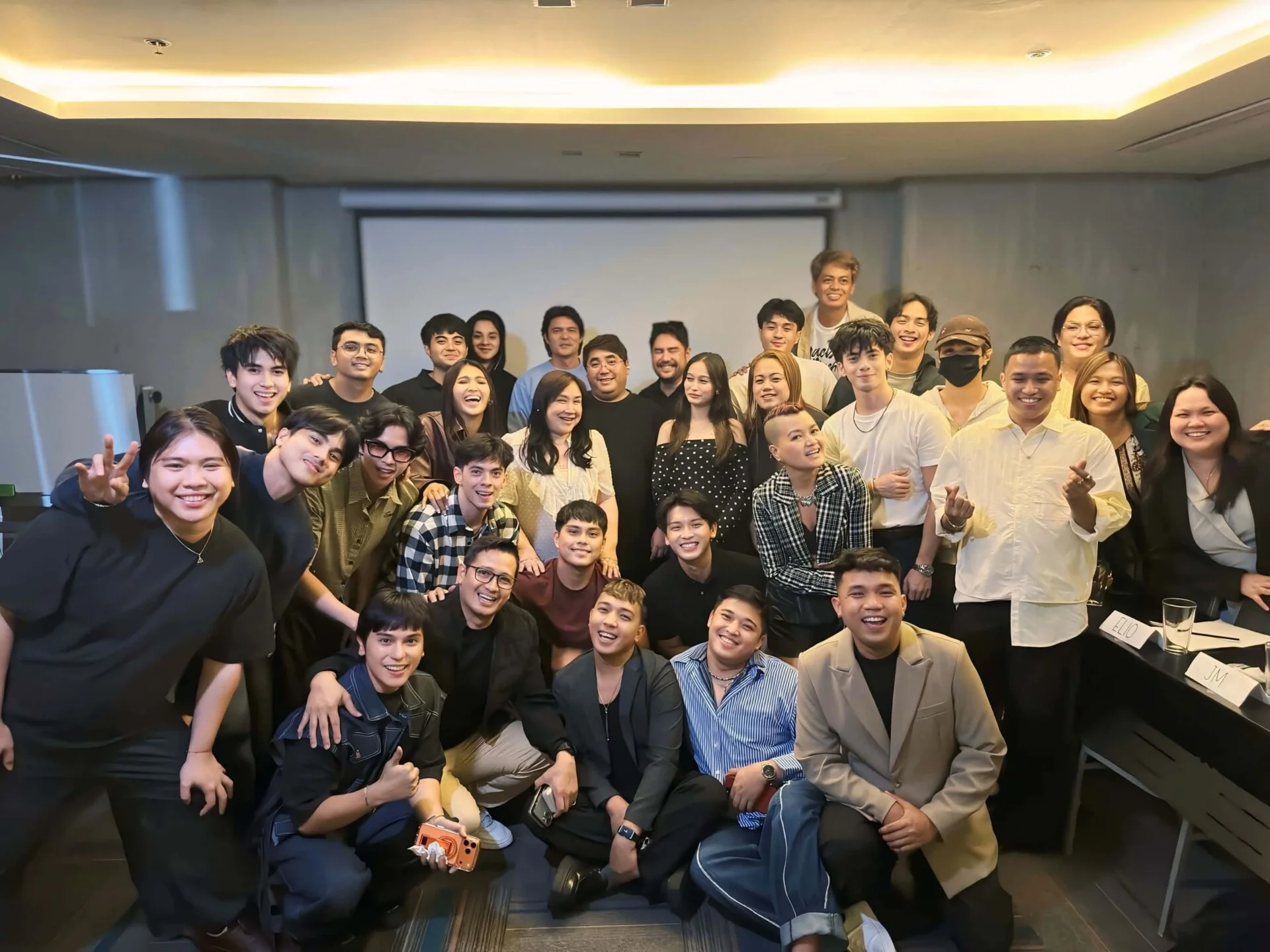
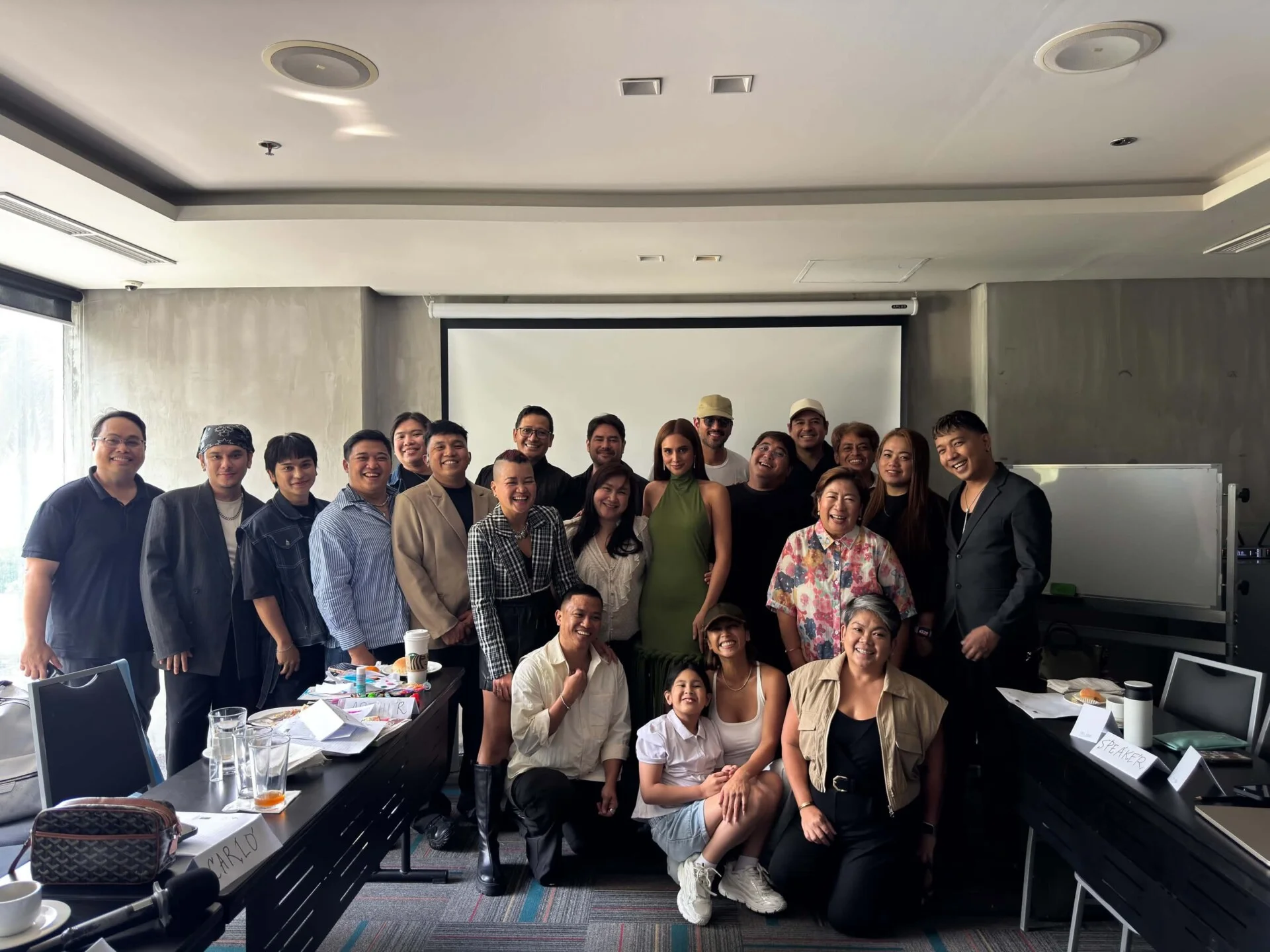
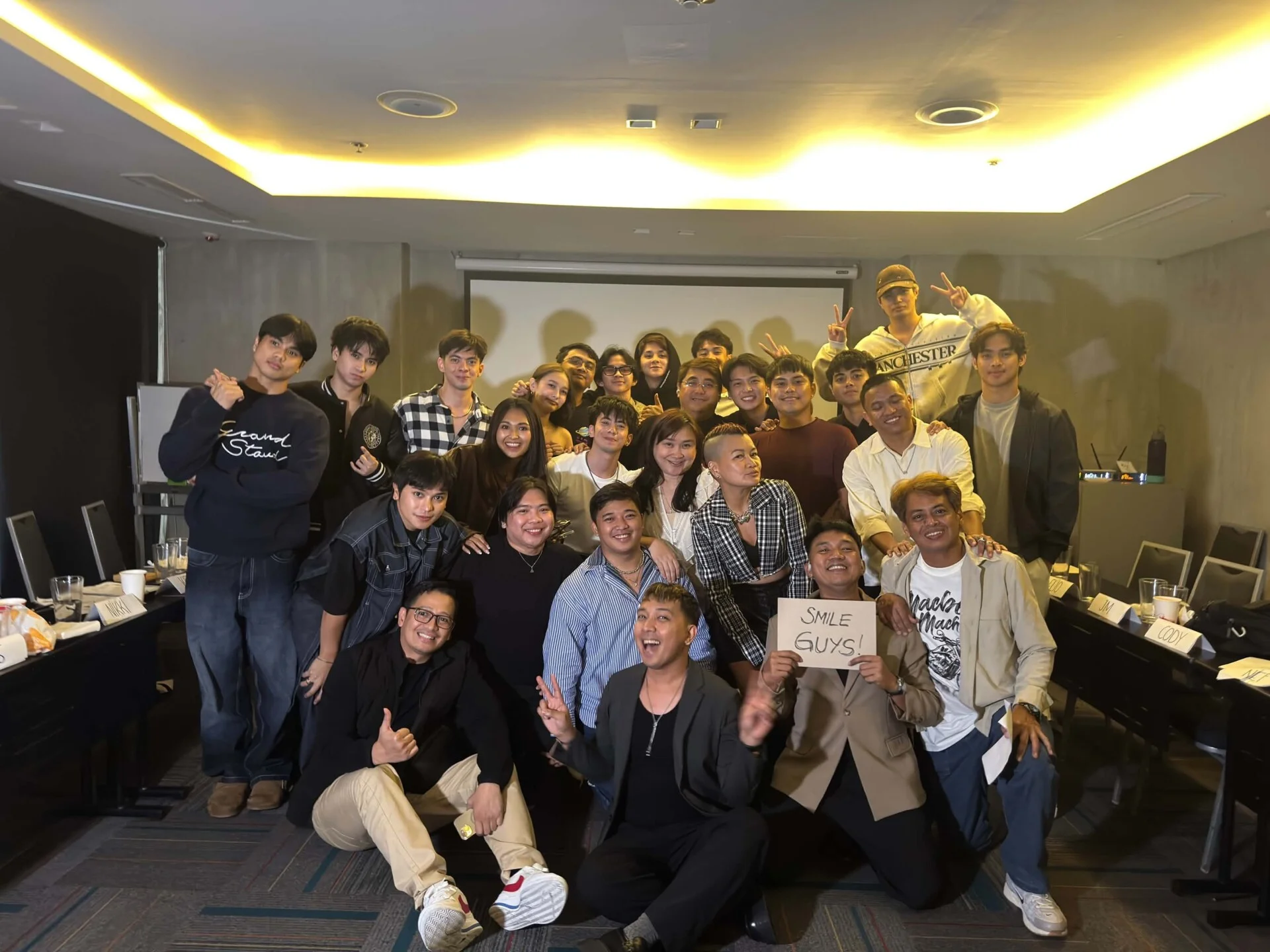
This was one of the striking things at the Professional People’s Lab’s (PPL) town hall in June. What stood out was that the company dedicated an entire day to its artists not just to discuss upcoming projects, but to invest in their development.
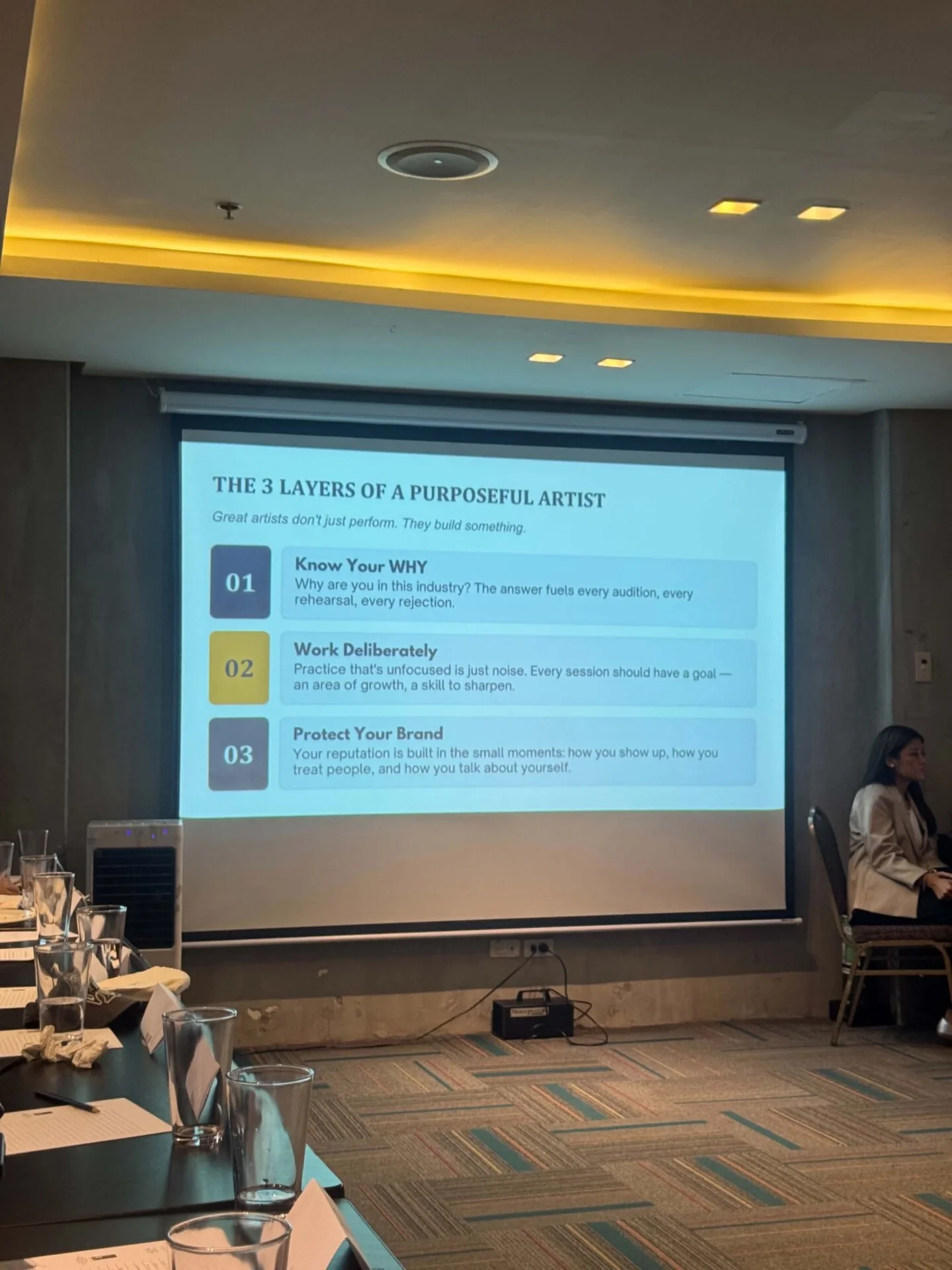
The program brought together PPL leaders, industry professionals, and facilitators who tackled subjects that artists may not always learn about through their regular work, from branding and financial management to contracts, legal know-how, communication, and even the ability to own a room.
For me, that is a meaningful distinction. Getting an artist a job is one thing. Preparing an artist for a career is another.
PPL president and CEO Perry P. Lansigan shared his experience from decades in the entertainment industry, while creative director Hazel Abonita Rivera and senior business unit head Apples Eigenmann also brought their perspectives from behind the scenes of talent management.
Dingdong Dantes, chief vision officer of The Doorbell Collective and award-winning actor, offered insights on building a career and personal vision beyond the traditional confines of show business.
Stage, film, and television actor Jamie Wilson tackled “owning the room,” a skill that can make a difference when artists walk into auditions, meetings, productions and professional events where confidence and presence matter.
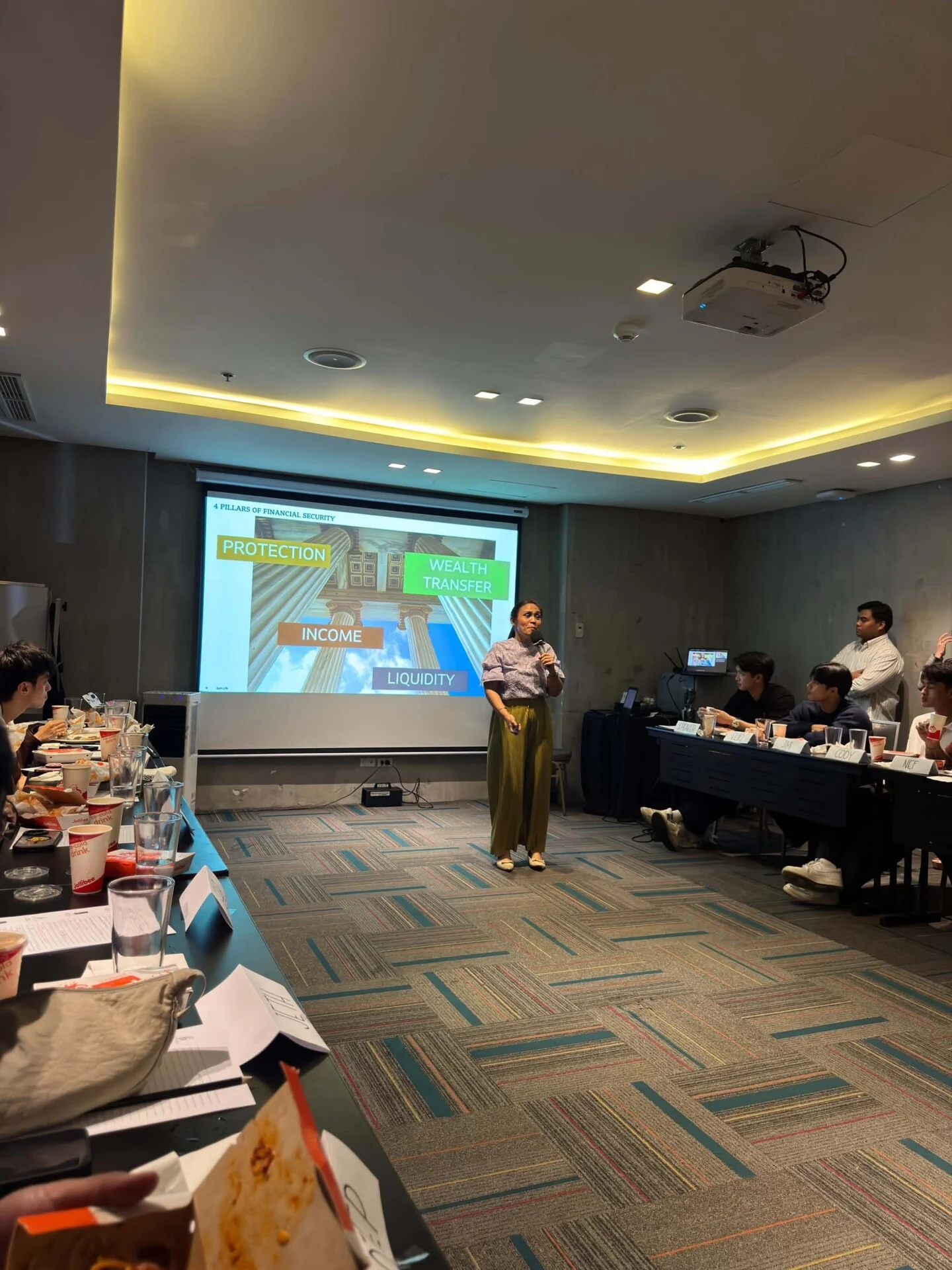
Financial literacy was also part of the program, with a Sun Life financial manager discussing asset management. In an industry where income can fluctuate, knowing how to manage, protect and grow what one earns is an important part of building a sustainable career.
Atty. Melodie Esquejo discussed contract literacy and legalities, helping artists better understand the agreements they sign and the responsibilities and protections that come with them.
Branding was another key topic, with Leon Flores III sharing insights on how artists can build and communicate their personal brands.
The town hall also included Lilybeth G. Rasonable, vice-chair and co-founder of The Doorbell Collective; Redgynn Alba, CEO of The Doorbell Collective; and Ays Espiritu, creative director for Agosto Dos. They brought in perspectives from the creative and business side of the industry.
Taken together, the sessions showed that talent development can be much broader than preparing someone for the next project. Artists today need more than acting, singing, dancing or performing skills. They also need to know how to manage the realities that come with the profession.
Show business can be unpredictable. There can be periods of intense work followed by uncertainty. Artists deal with rejection, competition, public scrutiny and the pressure to remain relevant. Giving them tools to manage their careers, and their well-being, is part of responsible talent development.
This is where PPL’s 17 years in the industry become particularly interesting. The company has built a roster that includes recognizable names such as Dingdong Dantes, Gabby Eigenmann, Ivana Alawi, Carlos Gonzalez, Max Collins, Paul Salas, Rochelle Pangilinan and Arthur Solinap, among others. But beyond the names and bookings, there are people working behind the scenes to help artists grow.
Perry’s decades of experience in entertainment provide a foundation that can be passed on to the next generation. Hazel, with her background in journalism from UP Diliman and more than two decades in television, brings a perspective shaped by both media and creative work. Apples, who has been with PPL for 17 years, has grown within the organization and now serves as its Senior Business Unit Head.
There are other heroes behind the scenes at PPL, working hard to optimize talent management. Their stories remind us that development is not limited to the people in front of the camera. The people guiding artists also continue to learn and evolve.
An artist is not just a product to be booked. There is a person behind the celebrity, someone with financial responsibilities, relationships, ambitions, interests, and a life beyond the next project.
Perhaps that same philosophy is reflected in how PPL chose to celebrate its 17th founding anniversary.
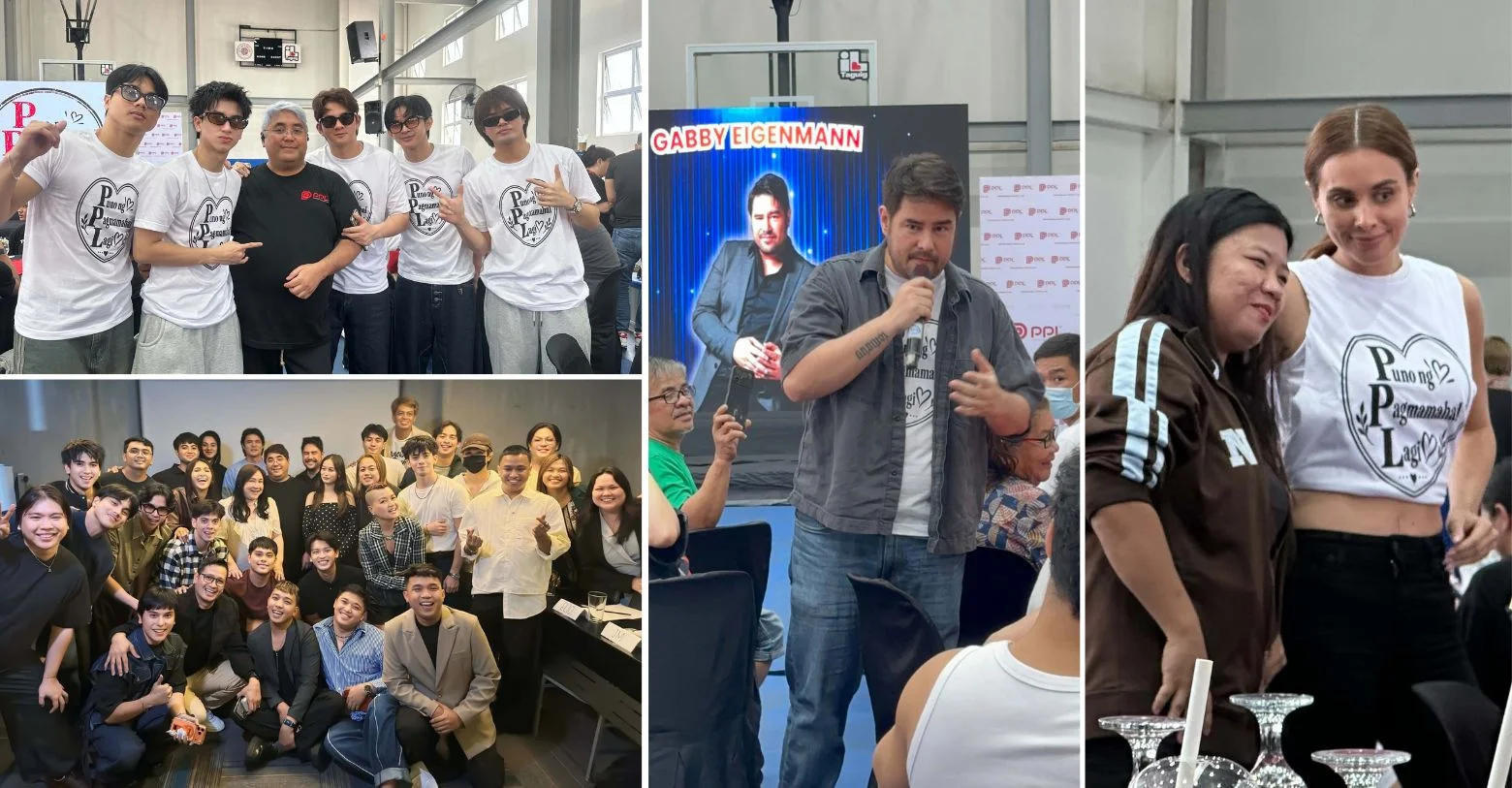
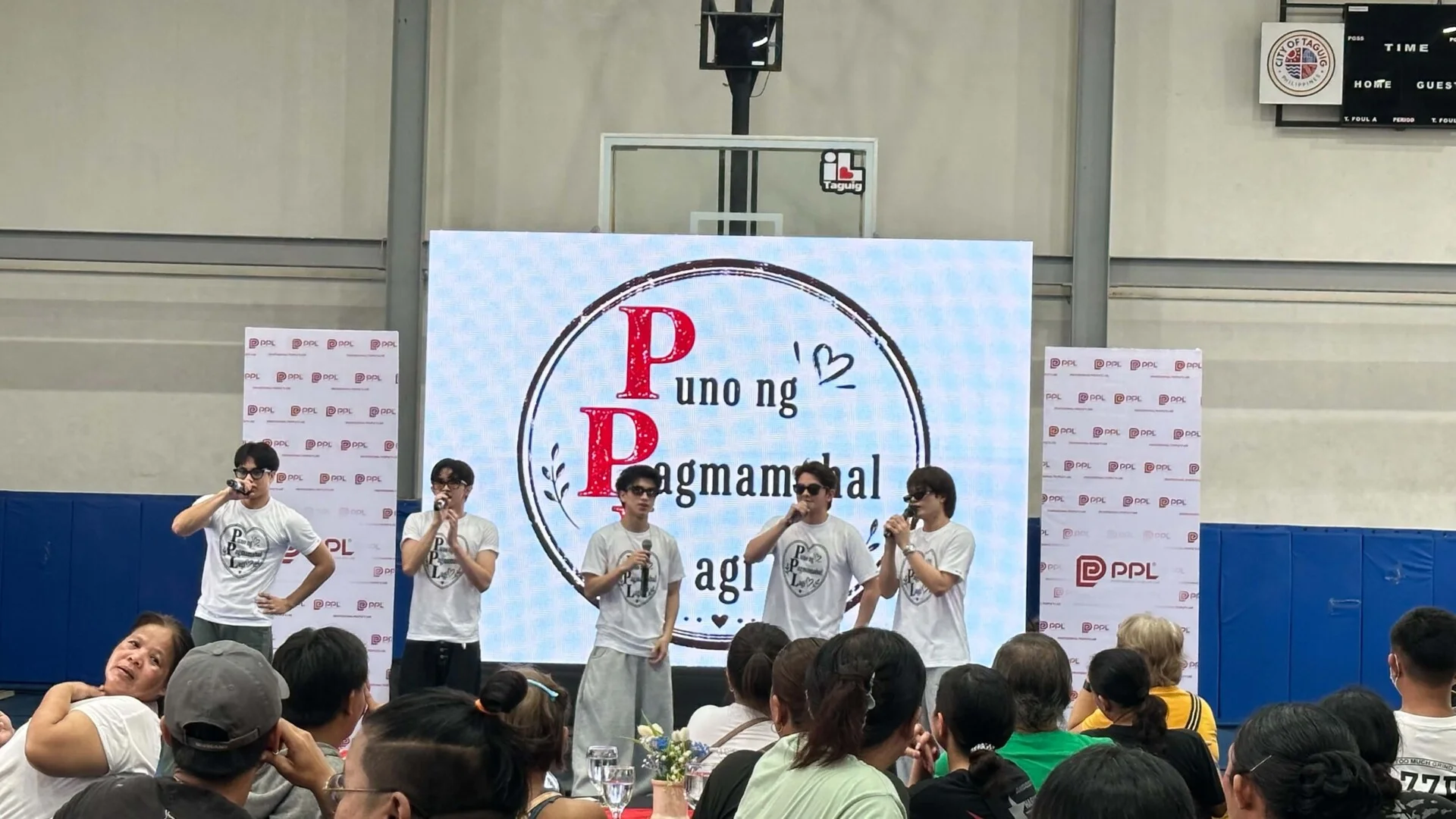
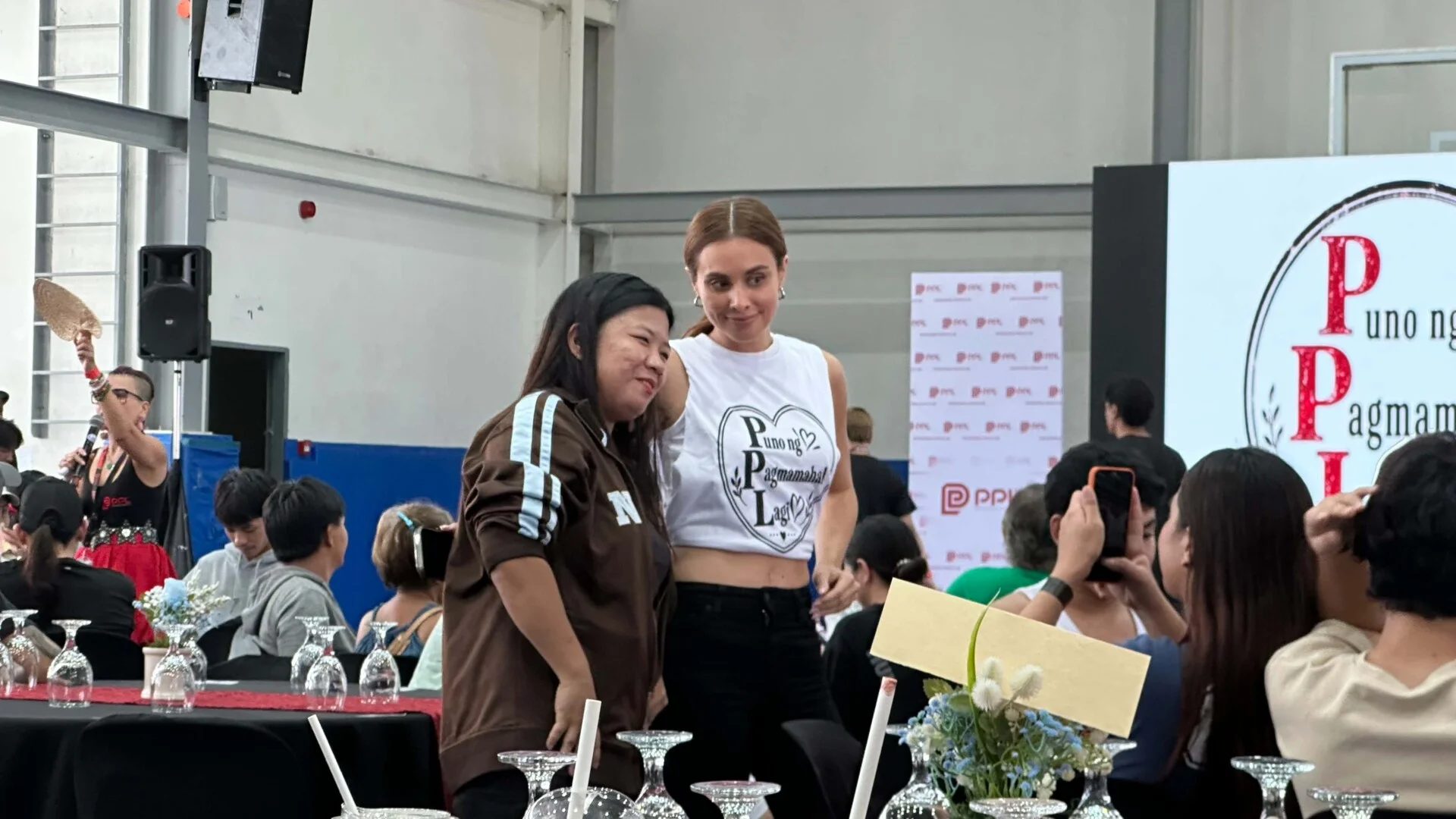
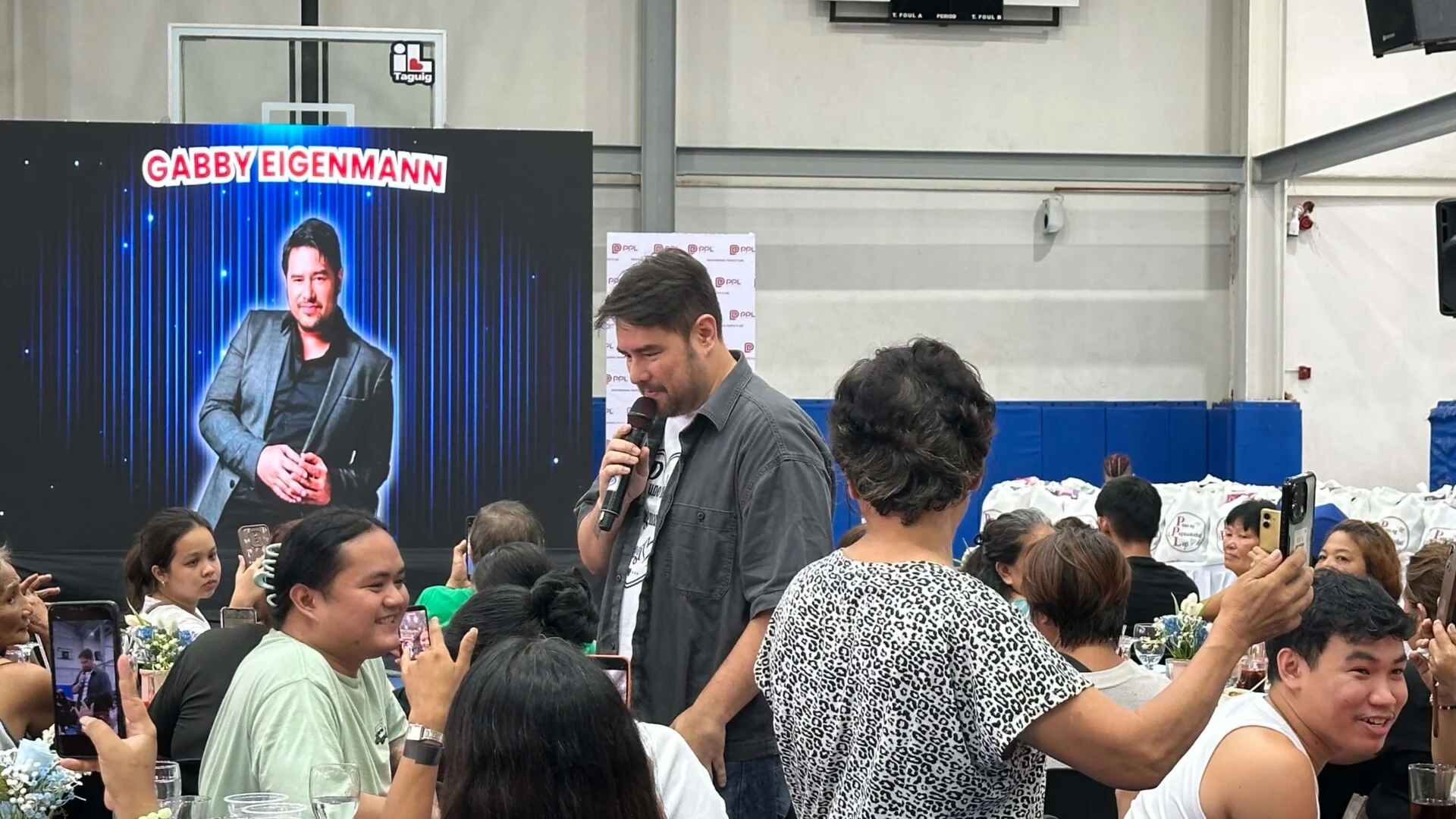
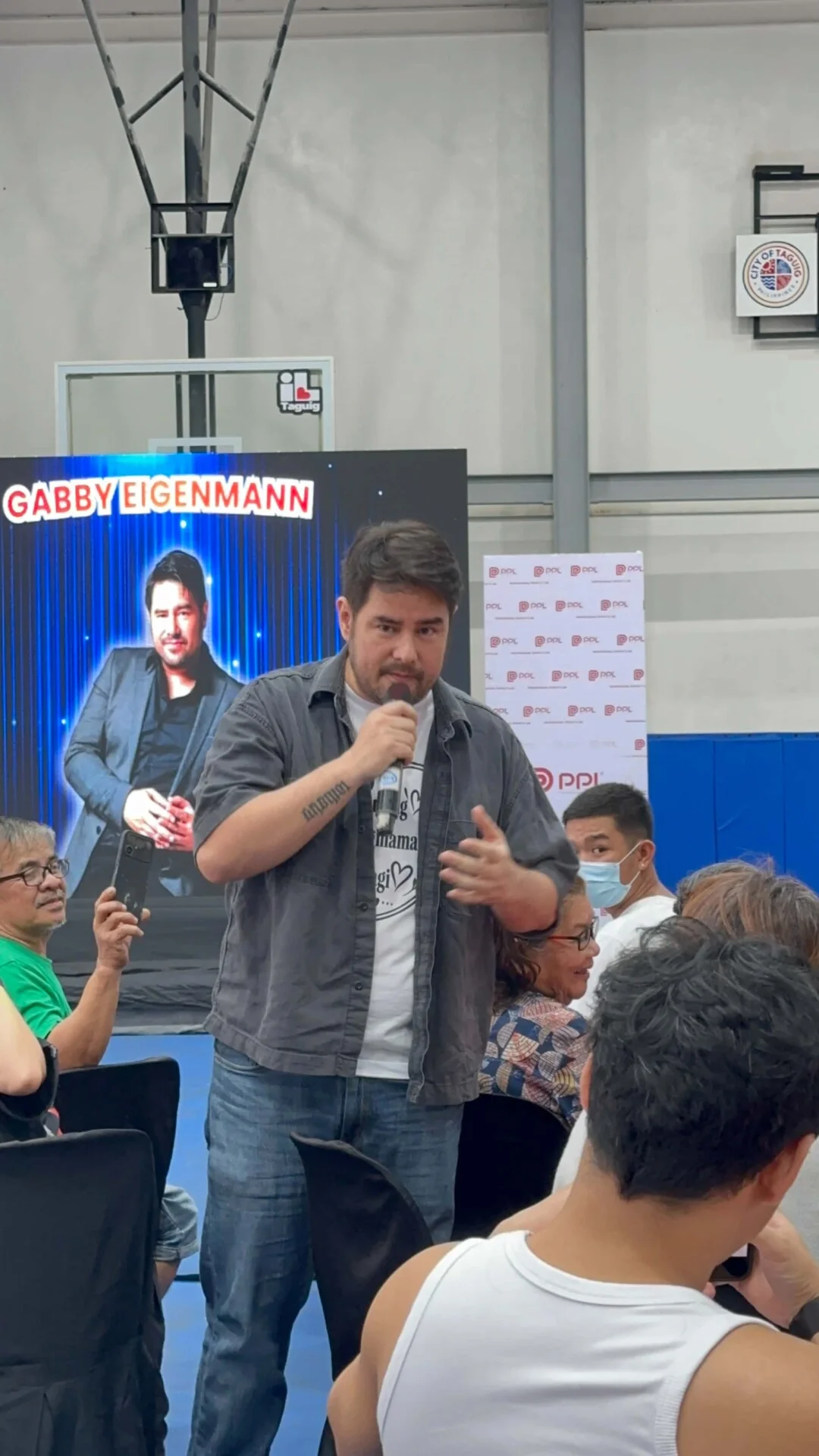
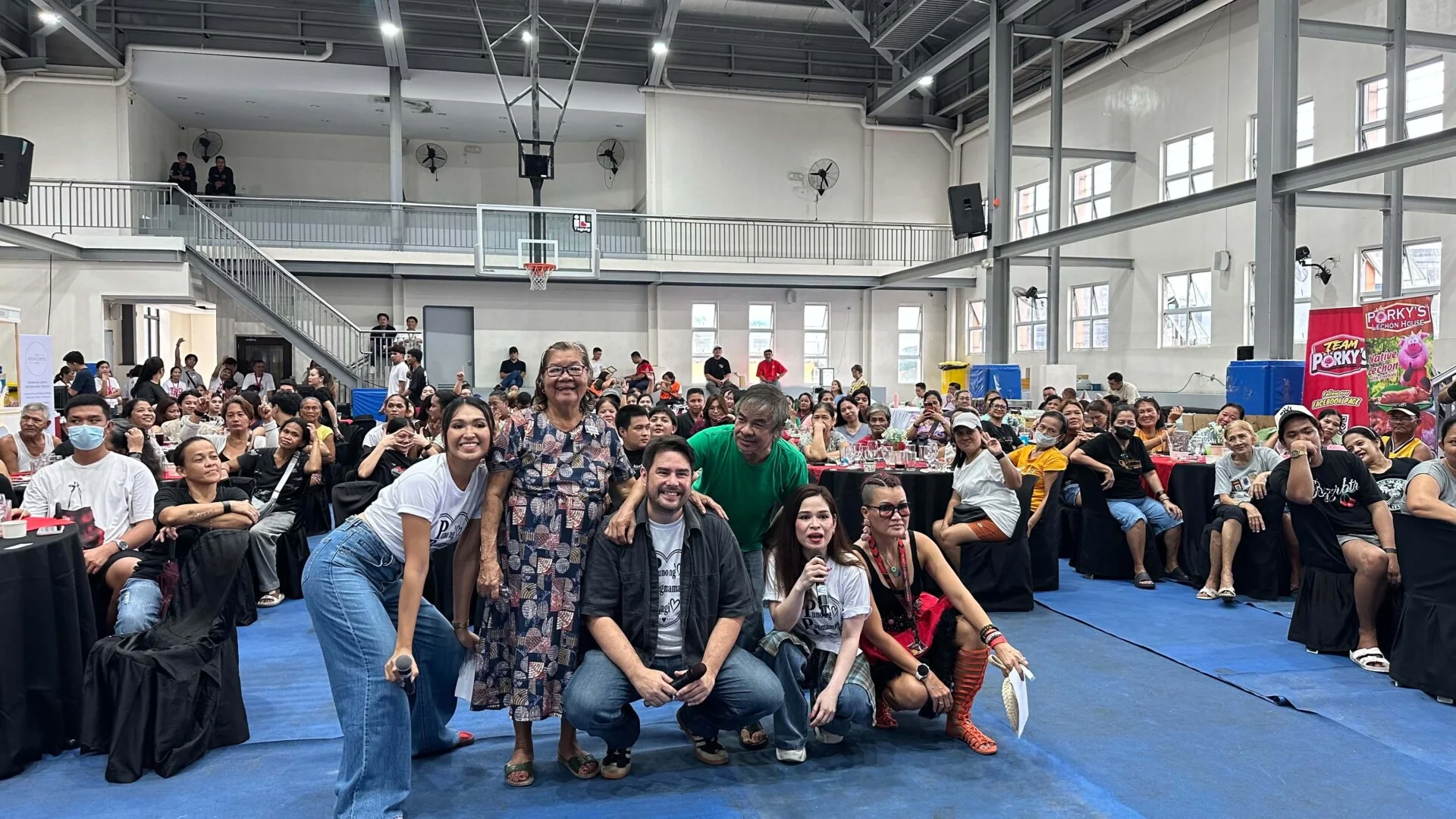
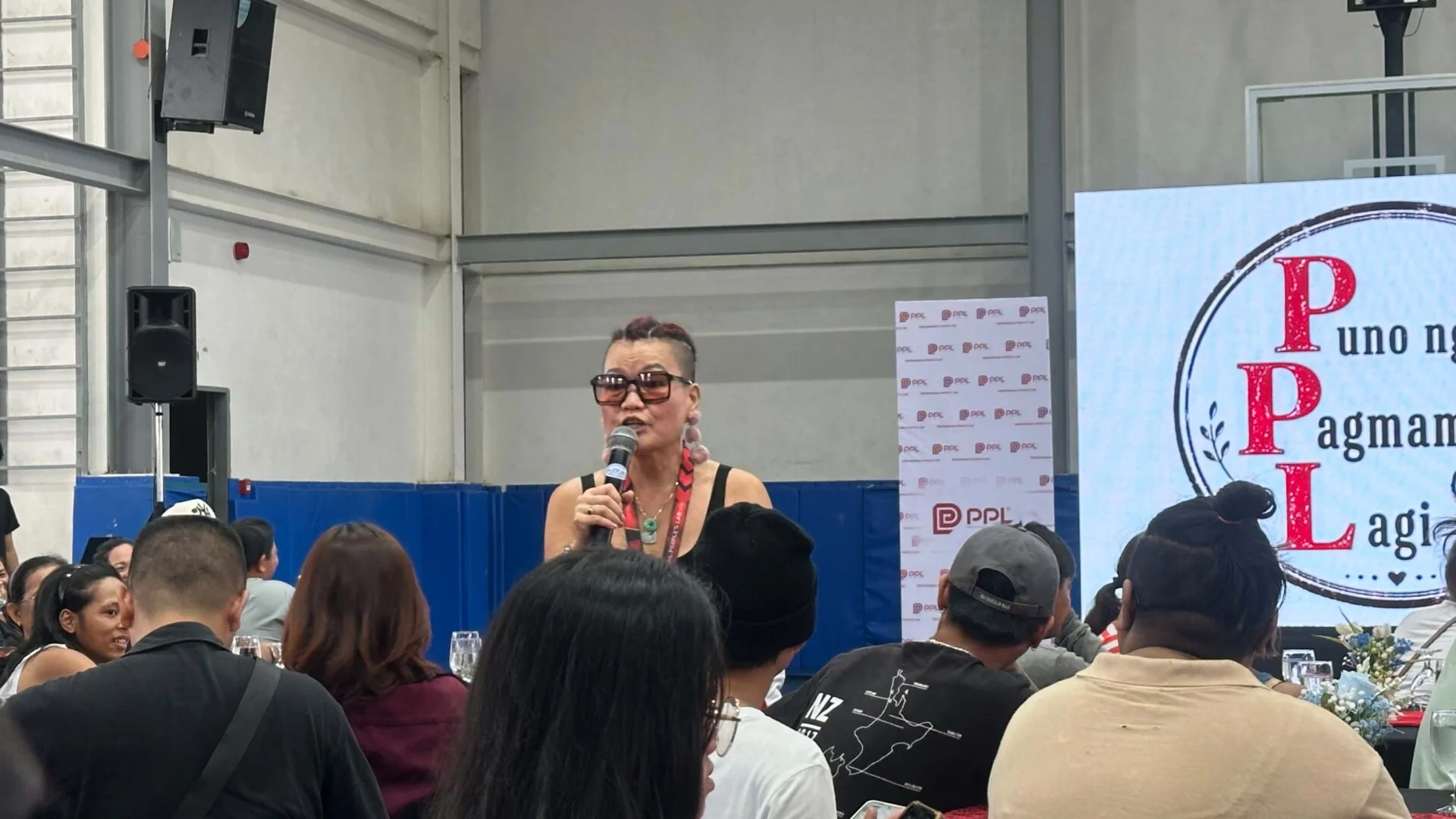
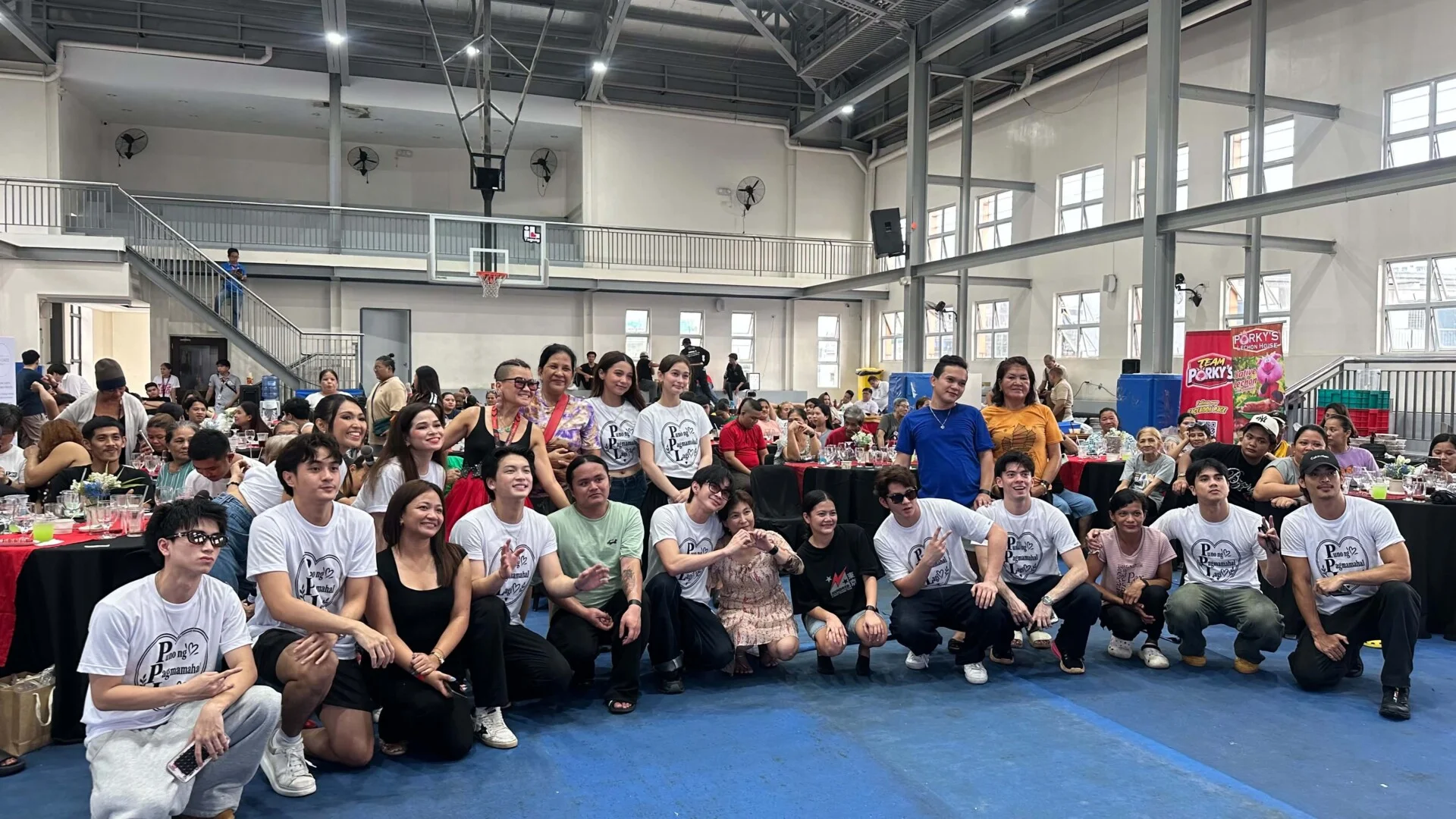
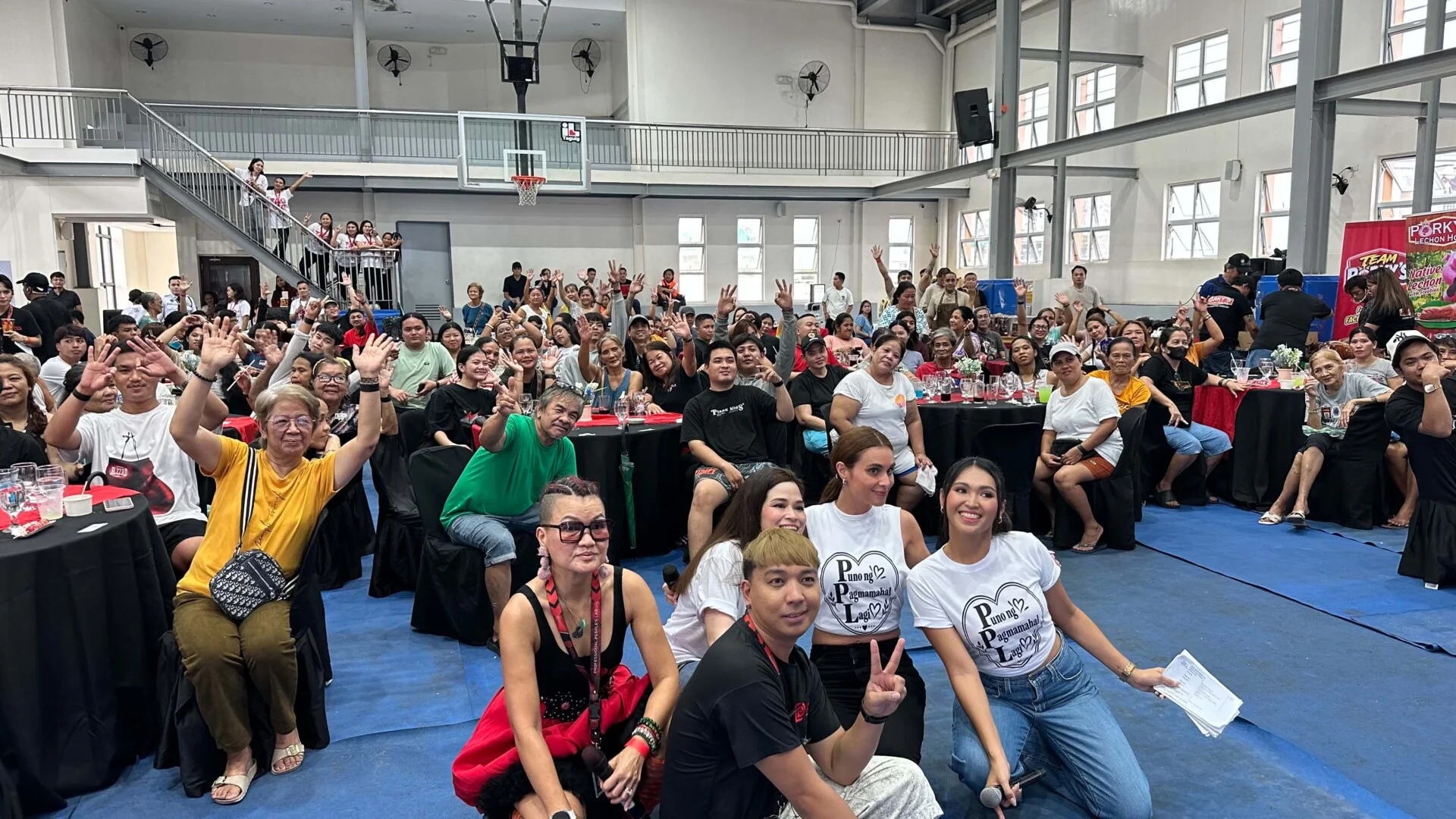
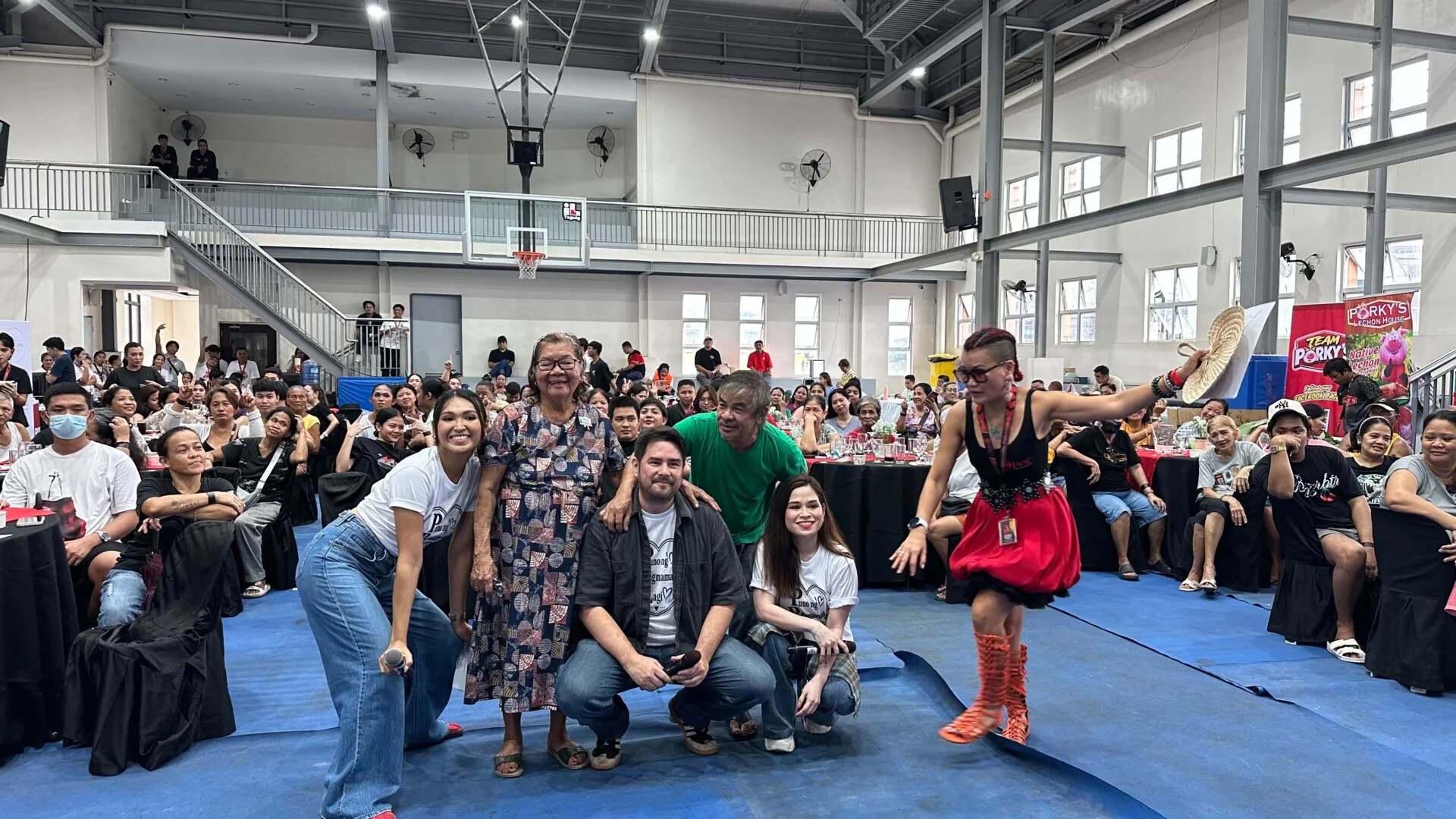
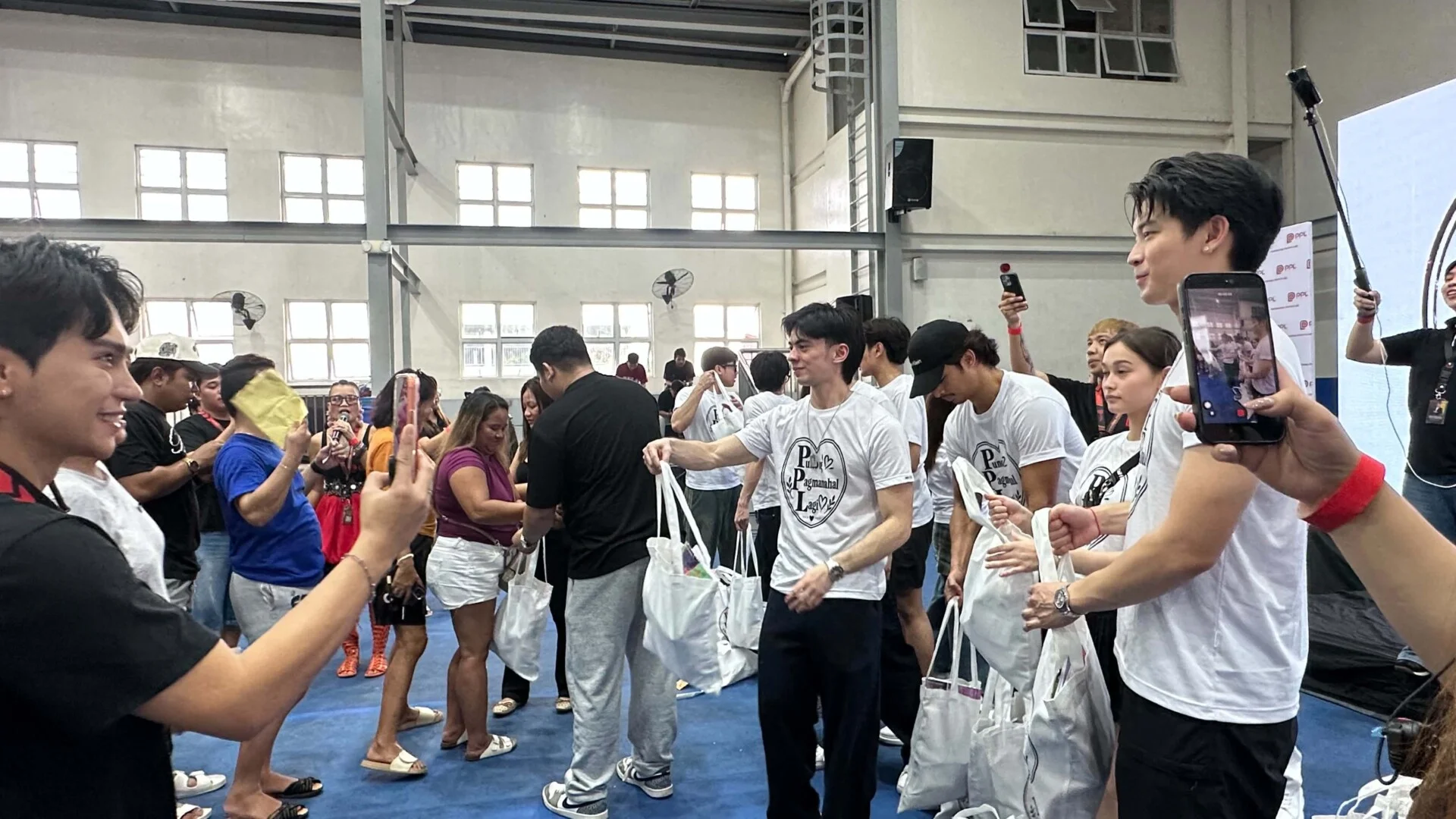
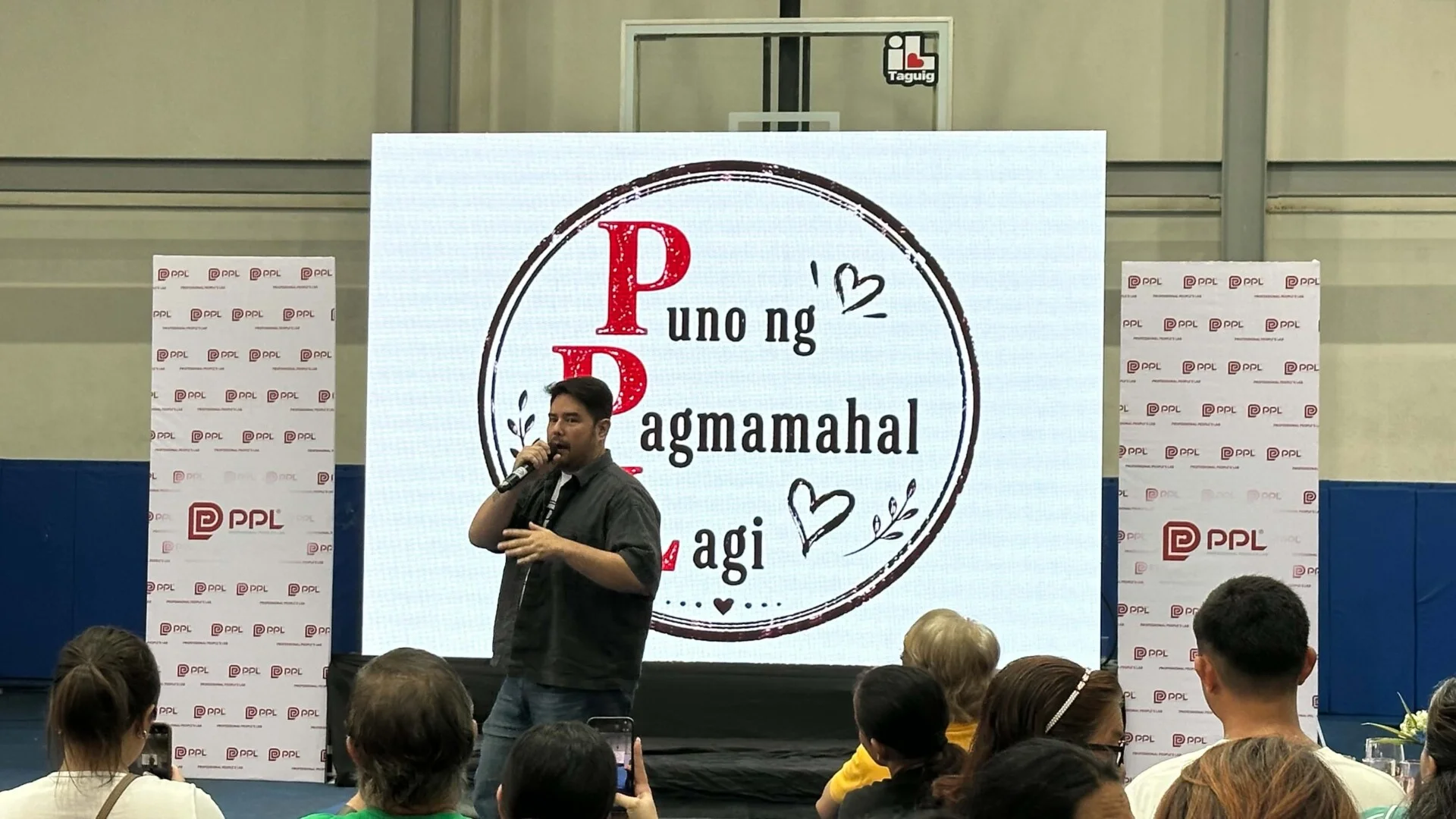
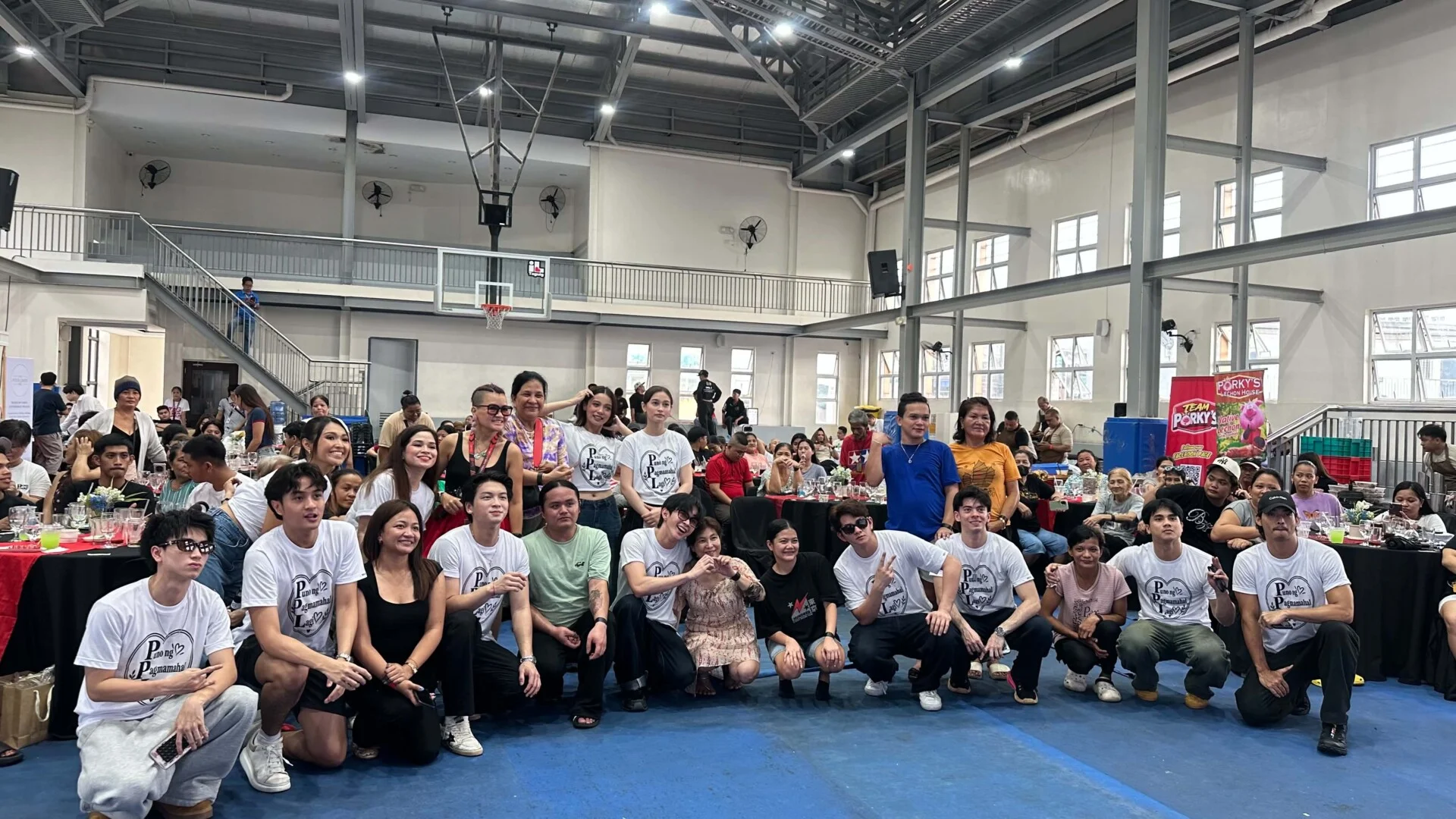
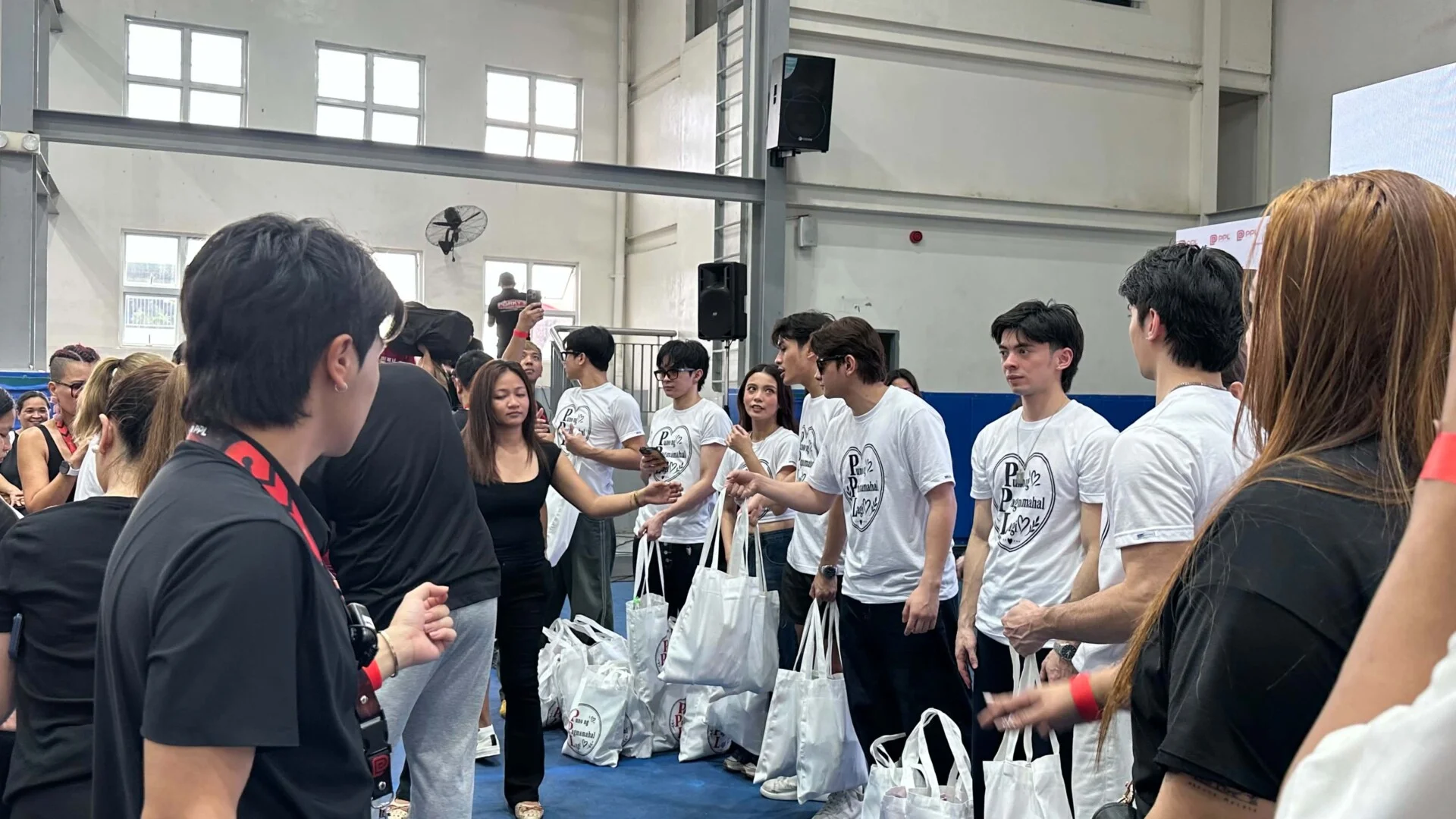
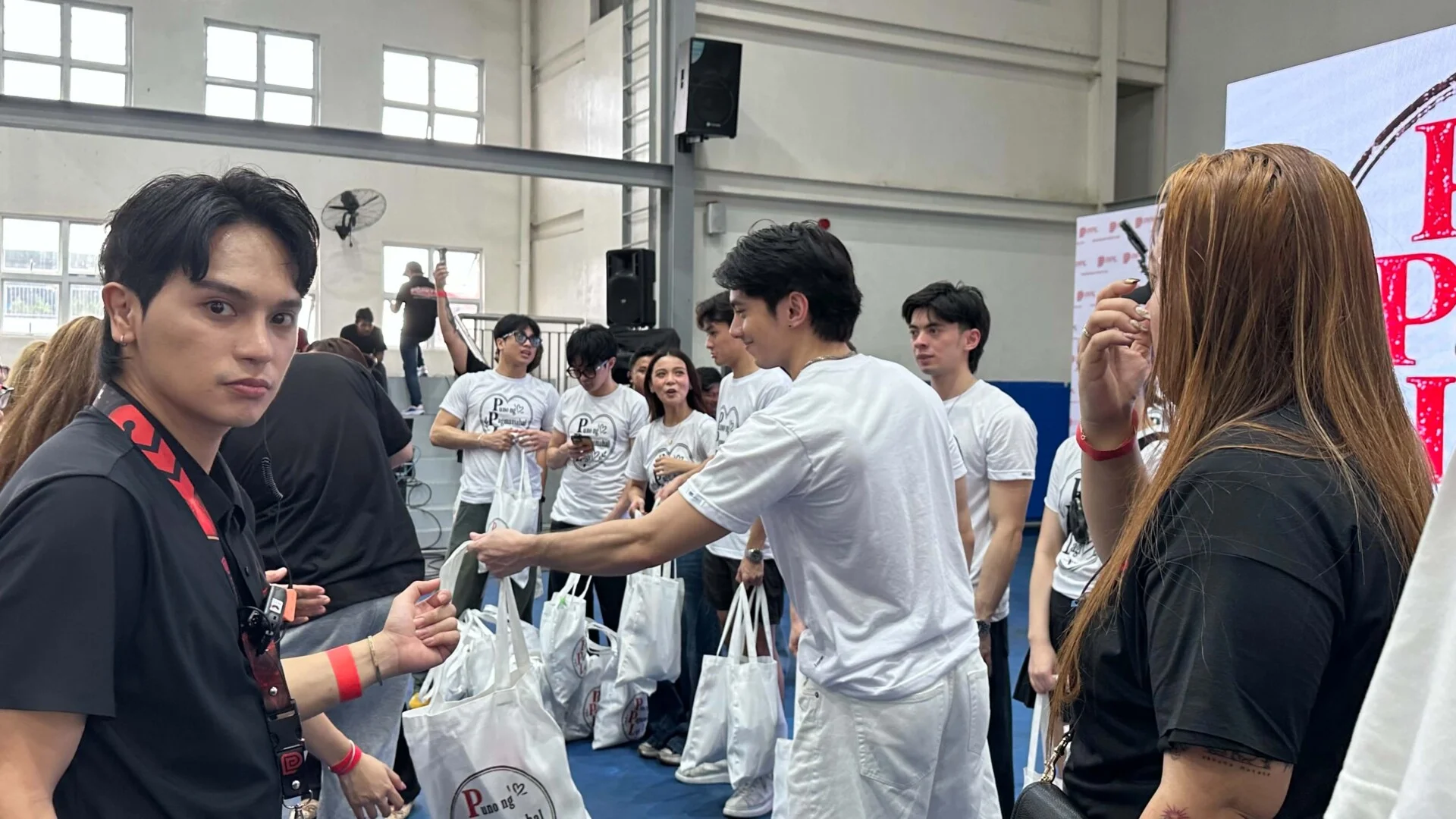
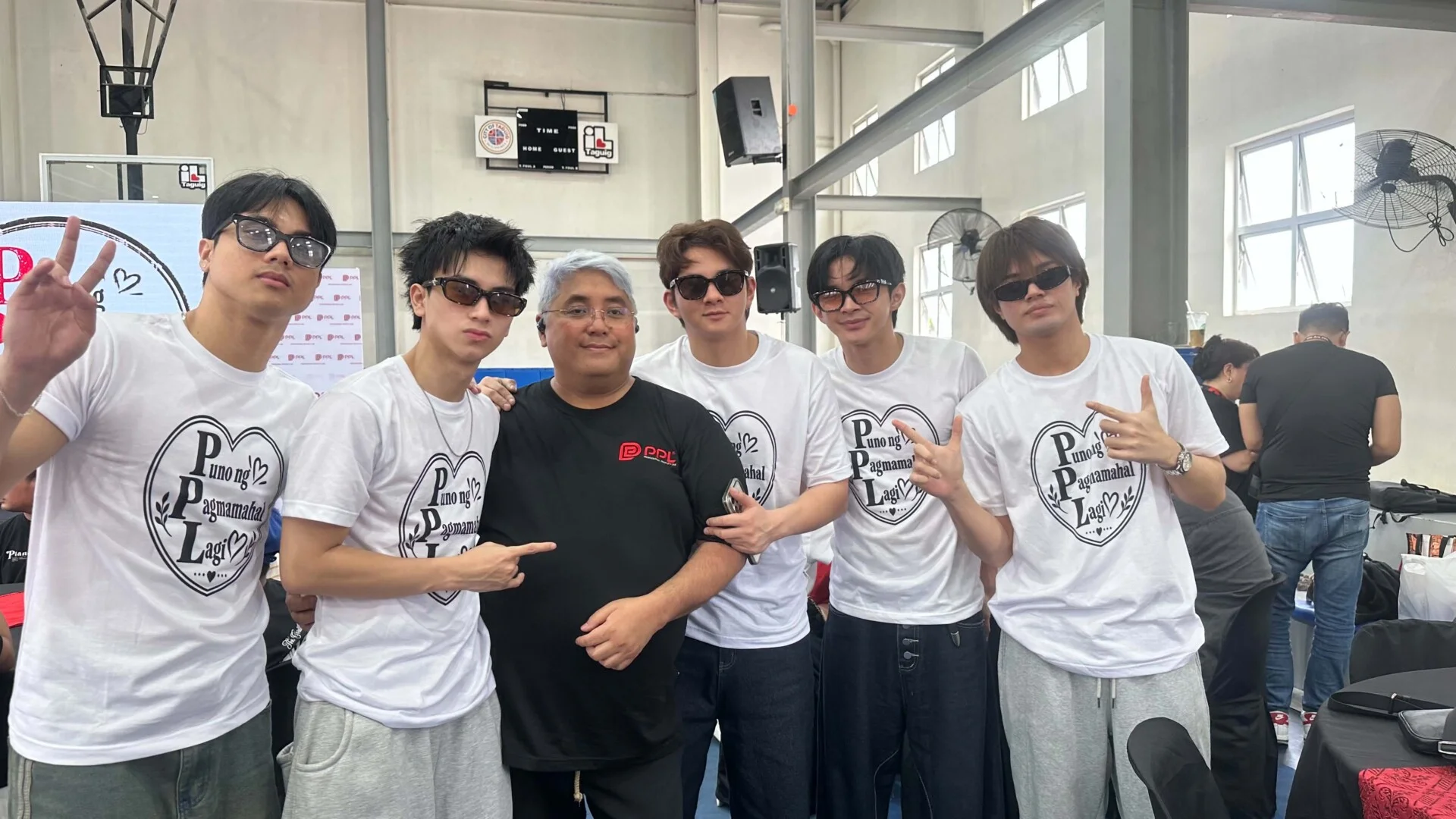
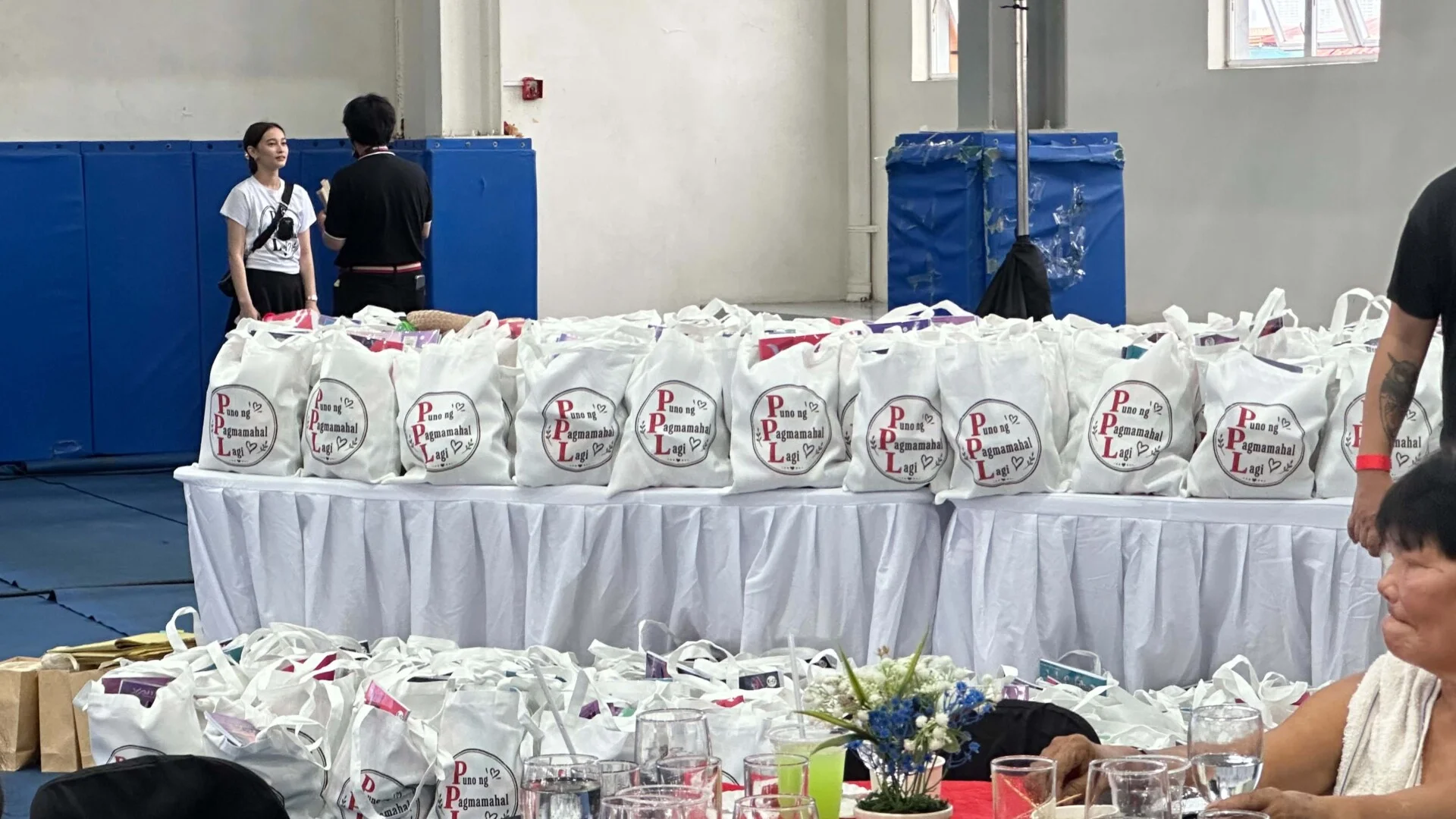
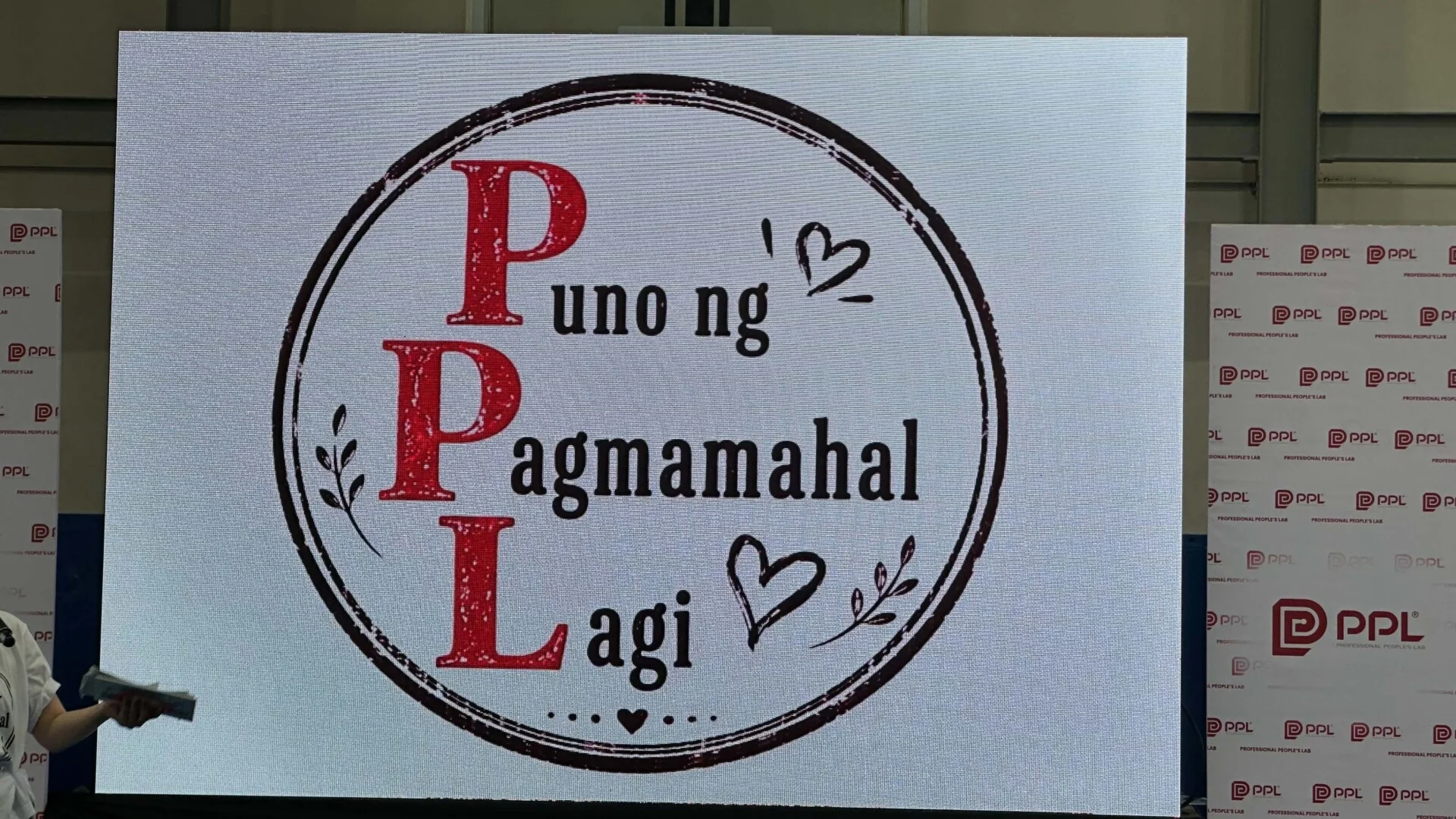
Instead of their usual celebration, this year PPL brought their passion, purpose, and love values to the community of Barangay Rizal in Taguig City through a community outreach activity spearheaded by Perry. The event was titled PPL: Puno ng Pagmamahal Lagi.
Perry happily shared how he felt after their community outreach celebration.
As he put it, “It’s fulfilling, it’s giving you know, kasi pinili namin mag pay-it-forward ngayong 17th anniversary namin.”
“Of course we always want to always share the blessings and give back lalo na kasi 17th anniversary na we pay it forward,” he added.
The outreach event was made even more meaningful by the presence of PPL stars, including Max Collins, Gabby Eigenmann, Raven Molina, Elio Wrick, P-Pop group 1621, and many more. The event was hosted by Jennie Gabriel and Lyra Micolob.
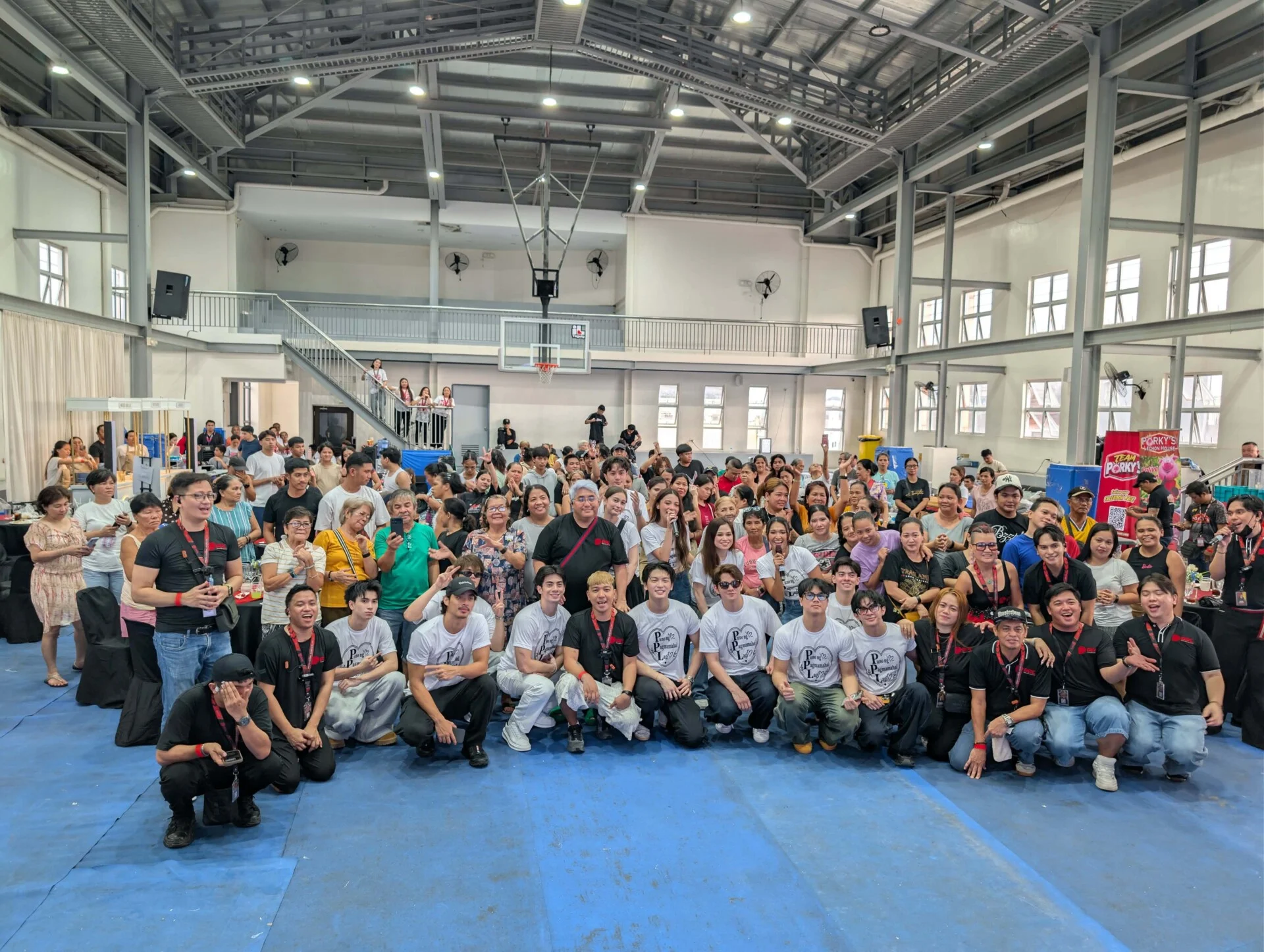
One of the event highlights was the spectacular performances of the artists that thrilled the audience. The artists also facilitated games together with PPL’s teammates Hazel, Luj Velayo, and the whole team.
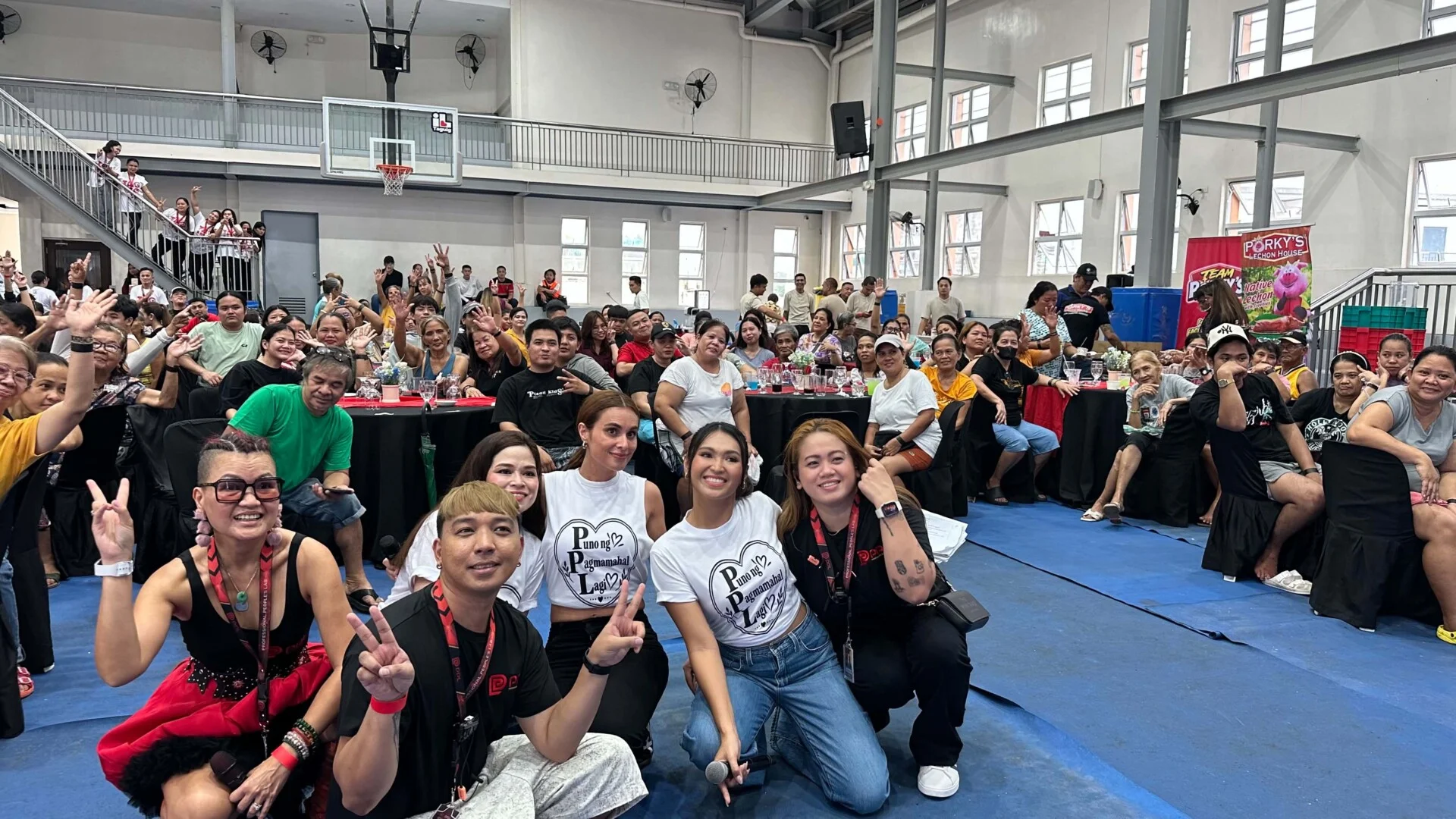
There is something worth noting about artists being given opportunities to perform and entertain, but also being encouraged to participate in activities that allow them to connect with communities. It expands the idea of what an artist can contribute beyond the screen, stage, endorsement or next booking.
For their 17th anniversary, PPL intends to explore more and expand its platforms as much as possible to serve talents and aspiring artists. Alongside developing careers, the company has also emphasized the importance of sharing its blessings and giving back, with hopes of having more celebrations like this in the years to come.
Lifelong learning can mean understanding branding and social media, developing financial and business knowledge, improving communication skills, exploring new creative abilities, or simply becoming more intentional about the kind of career track and life direction an artist wants to build.
PPL’s town hall is worth looking at beyond the event itself. An entire day devoted to training artists sends a simple message — you are worth investing in even when that investment does not immediately translate into a booking.
The anniversary outreach sends another message: success in entertainment can also create opportunities to give back.
That is a different way of looking at talent management. The question isn’t only, “What work can we get for this artist?”
It is also, “What can we teach this artist today that will help them five, 10 or even 20 years from now?”
And perhaps another question is equally important: “How can we help our artists use what they have to make a difference beyond their careers?”
A star can emerge from one successful project. But building an artist or someone who can adapt, learn, reinvent, and sustain a meaningful career, takes much longer.
That is probably what making a difference means for PPL. The group attempts to transform talents from potential to people who learn, grow, excel, and, more importantly have the capacity to share their blessings with others.