The Philippines may have been swept up by the Korean wave, but Thailand has also built a strong following among Filipino audiences. Thai dramas, films, actors and digital series have steadily gained attention in the country, with BL and GL titles further expanding Thailand’s entertainment footprint. Now, Thai companies are looking beyond Filipino viewers and toward Filipino industry partners, exploring opportunities to create, distribute and develop content together.
That was the objective behind Thai Content in the Philippines 2026, a three-day trade mission held in Manila from August 26 to 28.
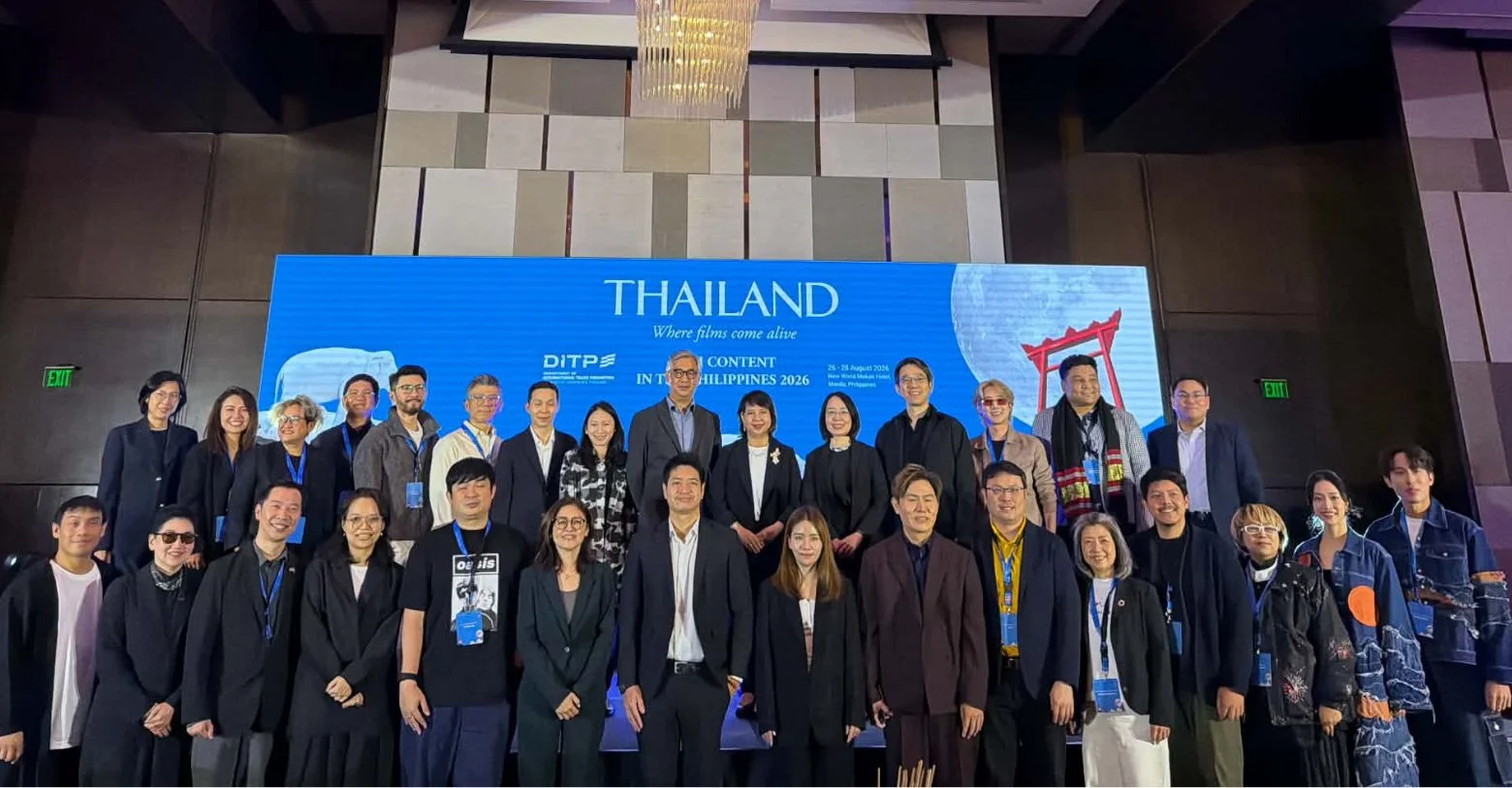
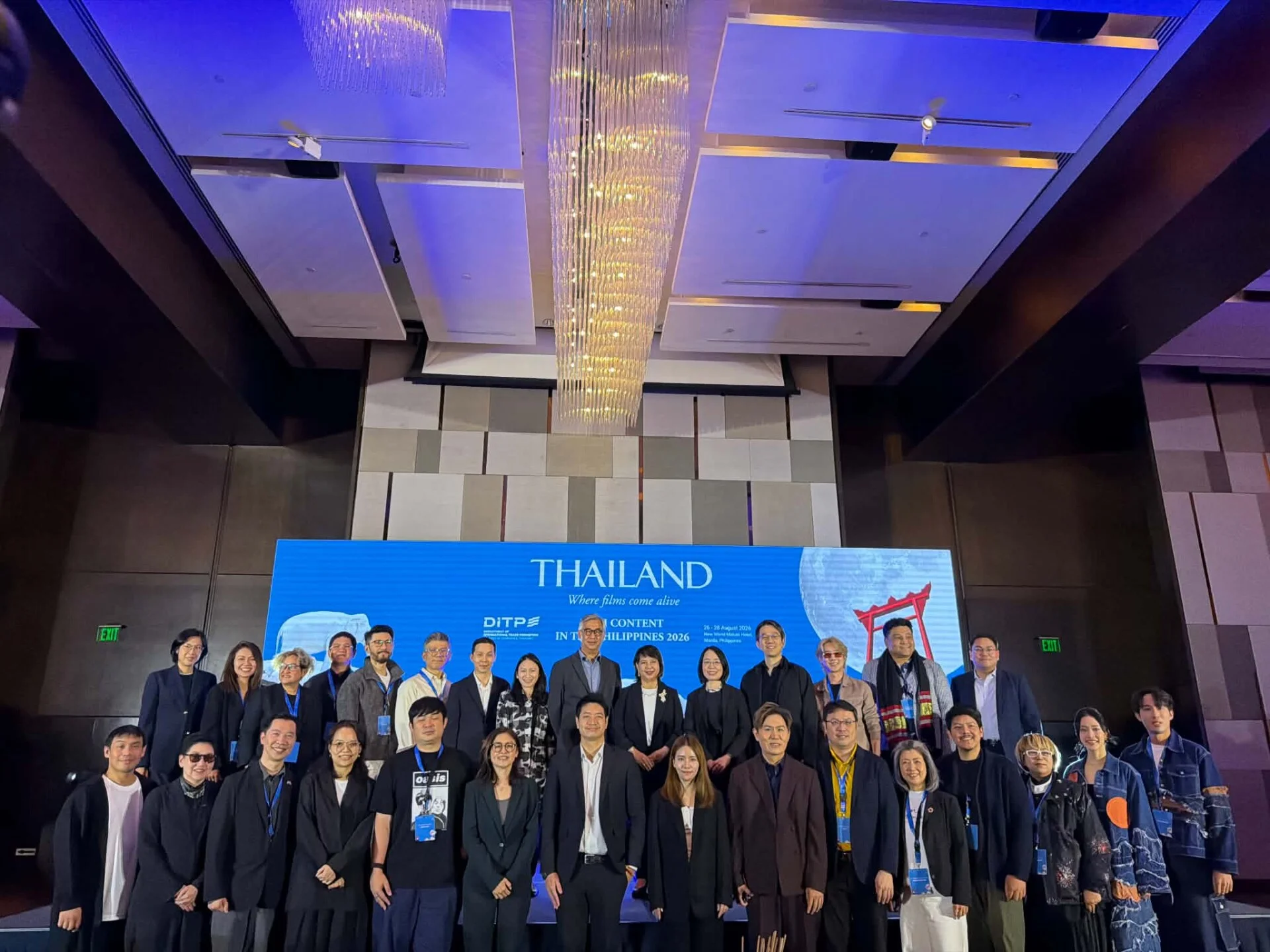
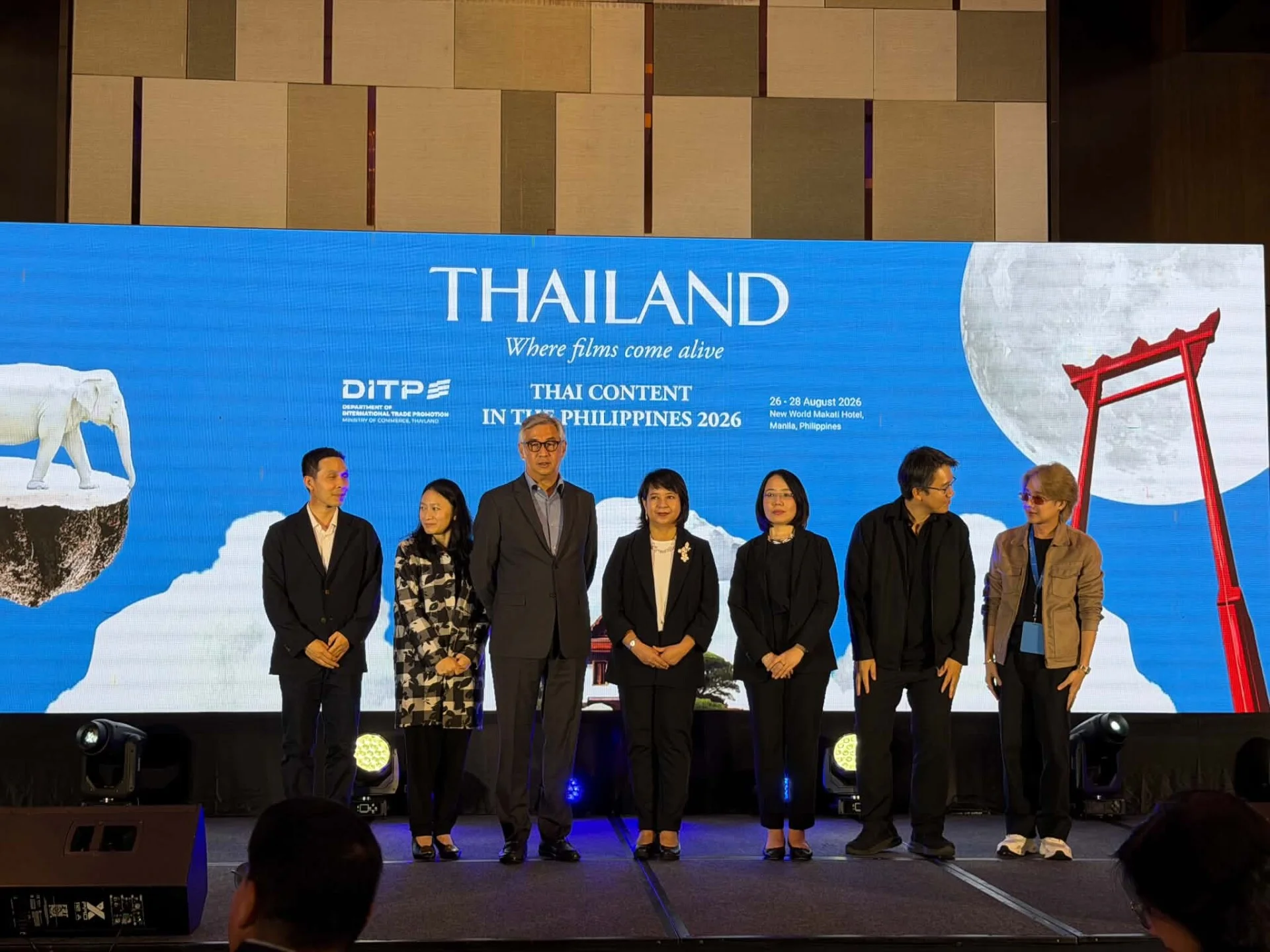
Organized by Thailand’s Department of International Trade Promotion (DITP) under the Ministry of Commerce, the initiative brought 18 Thai companies from the film, television, series and related content sectors to the Philippines.
Rather than simply showcasing finished programs, the delegation came to explore business relationships with Philippine producers, broadcasters, distributors and digital platforms.
And there was considerable activity during the three-day visit.
The Thai companies participated in 152 business-matching meetings with Philippine industry players. These discussions resulted in THB 4 million in immediate business, with another THB 136 million identified as projected trade, bringing the total potential value associated with the mission to THB 140 million.
Part of that projected business is expected within the next year, while additional opportunities are being considered over a longer two-to-five-year period.
One area that stood out was vertical-format entertainment, in which episodes are produced specifically for viewing on mobile phones. The format has been gaining ground as audiences increasingly consume stories through digital platforms rather than traditional television screens.
For Thai companies, the Philippine interest in this type of programming presents another possible route into the local market.

But the discussions went beyond simply selling completed Thai shows.
Possible areas of cooperation included licensing and distribution, co-productions, remake rights, artist and talent opportunities, joint marketing activities and other forms of creative and commercial partnership.
Meet the Thai Players
The 18 participating companies represented different parts of Thailand’s entertainment business.
Among the companies and representatives who took part were:
● 9 NAA Production — represented by CEO Worarit Ninklom
● Halo Productions — represented by managing director Napassarin Prompila, with the company known for its work in vertical drama
● One 31 — represented by senior associate vice president Noppachai Wangrak
● Star Hunter Entertainment
● ProGold Plus — represented by CEO Vitvat Supasiriwatthanakul, together with actors Jatuporn “Jay” DangUrai and Yang Dong Won
● Waga Creative — represented by actress Kharittha Sungsaopath, actor-producer Thannidhi Tharinpirom, and CEO/project manager Paveena Pomsuk
● Studio 1986 — represented by producers Taddanai Praman, Sarrudapat Kongtoh and Jinna Kongma
● Matching Maximize Solution — represented by executive assistant Sujitra Jampathong
● PRT Idea Studio — represented by managing director Peeranthon Saensook
● Rabbit Moon Corporation — represented by CEO Akrawat Ruengkitakra
● Go On House — represented by executive producer Thitipun Satitamorntham, editor Pattata Tantilipikara, and creative head and director Torphong Kul-on
● Mahamongkol Film Studio Production — represented by CEO Nhararmin Kumraks
● Mojo Living — represented by associate producer and business development head Natthanan Luengpuangkaew
● Workpoint Group — represented by senior licensing officer Natnicha Wittayamas and licensing and content partnership assistant manager Pataneeya Siripraprut
● ThemeWork Studio — represented by managing director Phairoj Tewinburanuwong and business development director Suchada Bussaracomwong
● Top Move — represented by managing director Wutikom Yuphawatthana
● World Premier Art — represented by managing director Laksawan Wongworrakan and group brand manager Tidarat Kaewpira
The delegation also included Thai performers, producers and creative executives, giving Philippine companies the opportunity to meet not only potential content suppliers but also people who could become collaborators on future projects.
Thai Producers Pay GMA a Visit
One of the delegation’s early stops was GMA Network’s headquarters in Quezon City, where representatives from the Thai entertainment sector met with executives of the Philippine broadcaster.
The meeting provided an opportunity for both sides to discuss how their respective entertainment industries operate, including the changing habits of audiences and the growing importance of digital platforms.
GMA has already had considerable experience introducing Thai entertainment to Filipino viewers. The network said it has aired close to 100 Thai dramas since 2018, giving it an established history of bringing Thai stories to the local audience.
The discussions also opened the possibility of future cooperation involving television programs, films, drama productions, reality and dating shows, program syndication and exchanges involving artists from both countries.
The Thai delegation also visited CreaZion Studio, another Philippine company involved in film, television, digital content, advertising and music production.
These company visits were part of the mission’s effort to give Thai participants a closer look at the Philippine entertainment business while allowing local companies to assess possible Thai partners.
From Thai Dramas to Thai-Philippine Projects
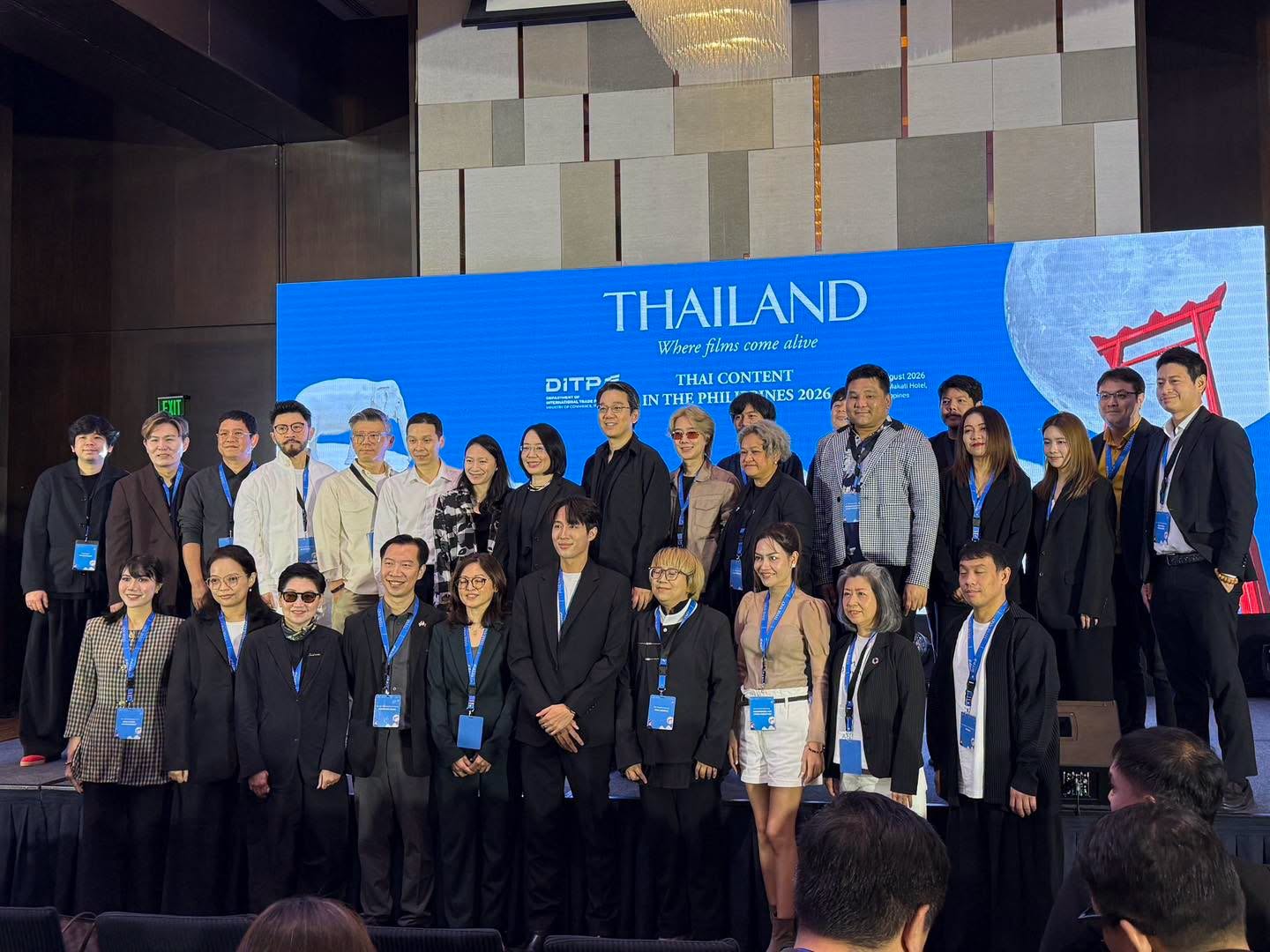
Credit: Nickie Wang, Manila Standard
Thailand’s growing entertainment presence in the Philippines is not entirely new.
Filipino audiences have become familiar with Thai actors and series through television, streaming services and social media, while Thai BL and GL productions have developed particularly active fan communities across Asia.
But the latest trade mission suggests that the relationship is gradually moving into another stage.
Instead of the Philippines simply acquiring Thai programs for local consumption, companies from both countries are now discussing possibilities for working on projects together.
That could mean a Philippine company acquiring the rights to a Thai story, developing a remake, bringing Thai talent into a local production, partnering on a new series or finding ways for Filipino and Thai creative teams to share audiences.
For Thailand, the Philippines offers a sizeable entertainment market with established television networks, production companies and an expanding digital audience.
For Philippine players, closer business relationships with Thai companies could provide access to another pool of stories, formats, performers and production expertise.
The three-day Manila mission therefore served as more than a showcase of what Thailand already produces.
It was also an attempt to find out what Thailand and the Philippines can produce together.
With THB 4 million already generated in immediate business and another THB 136 million in projected opportunities, the next chapter in Filipino-Thai entertainment may not simply involve Filipinos watching Thai content.
It could involve Filipinos and Thais making it together.