




There are moments when watching a television series becomes more than a form of entertainment. It becomes an opportunity to confront the realities of our society, revisit painful chapters of our history, and listen to stories that are often difficult to tell. At this point in our lives, Drug War: A Conspiracy of Silence feels particularly timely, reminding us that the consequences of the Philippine drug war extend far beyond headlines and political debates.
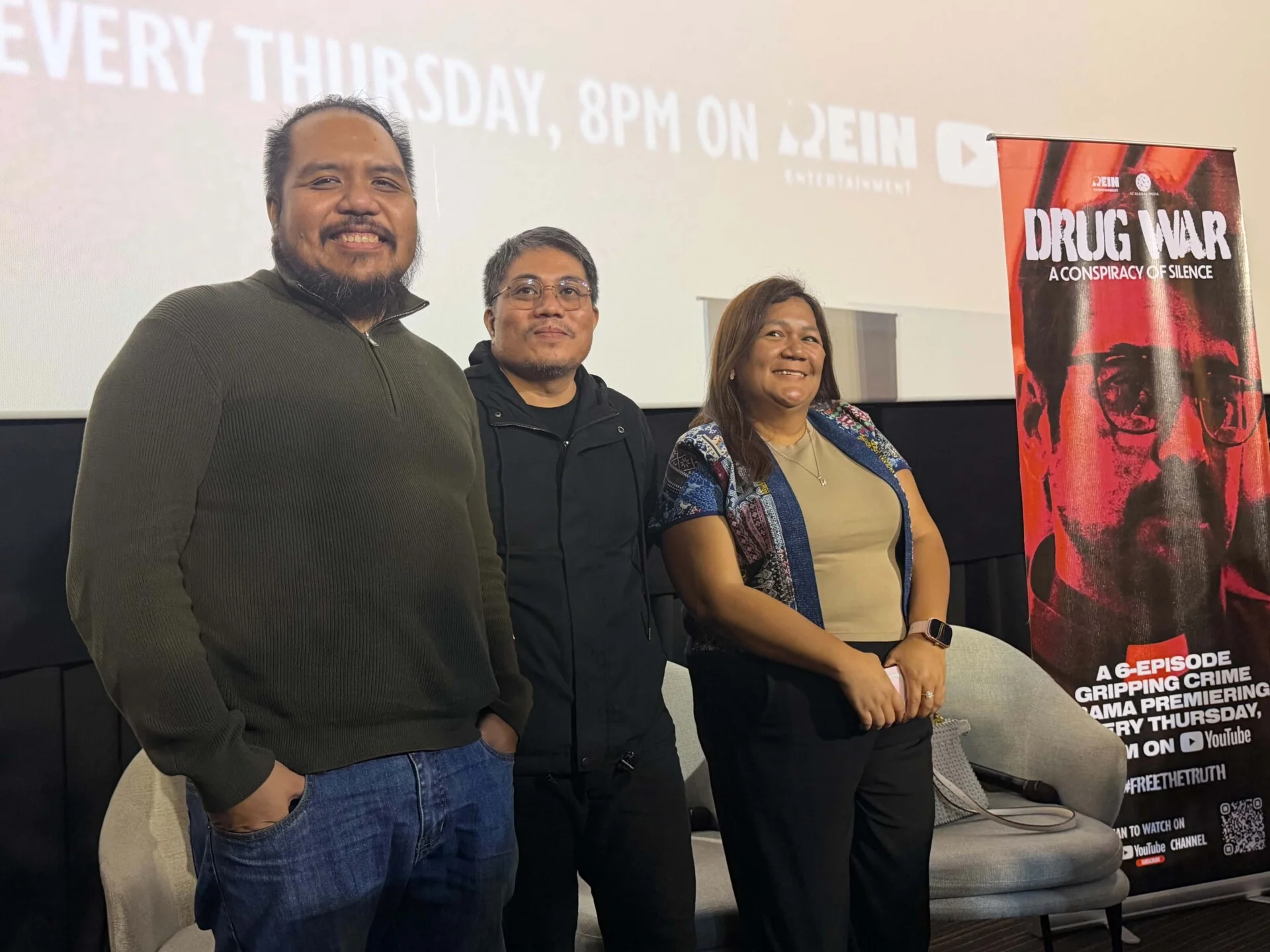
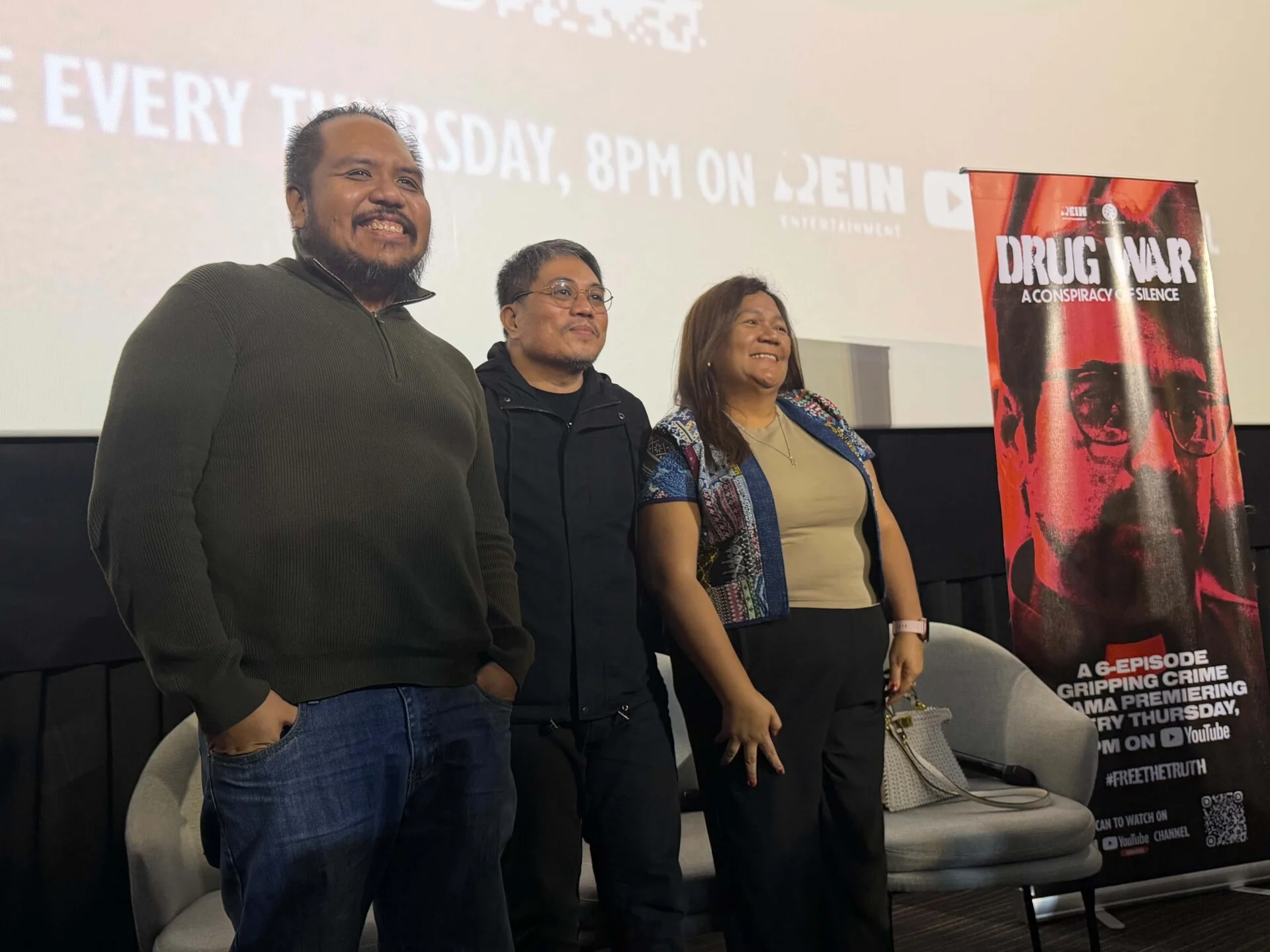
Direk Shugo Praico with writers Jonathan Guillermo and Noreen Capili
The drug war remains one of the most divisive issues in the country. People hold deeply opposing views about the campaign, its intentions, and its consequences. But regardless of where one stands on the political debate, the experiences of the victims and their families deserve to be heard. Their stories are part of our collective history, and listening to them is essential to understanding the human cost of what happened.
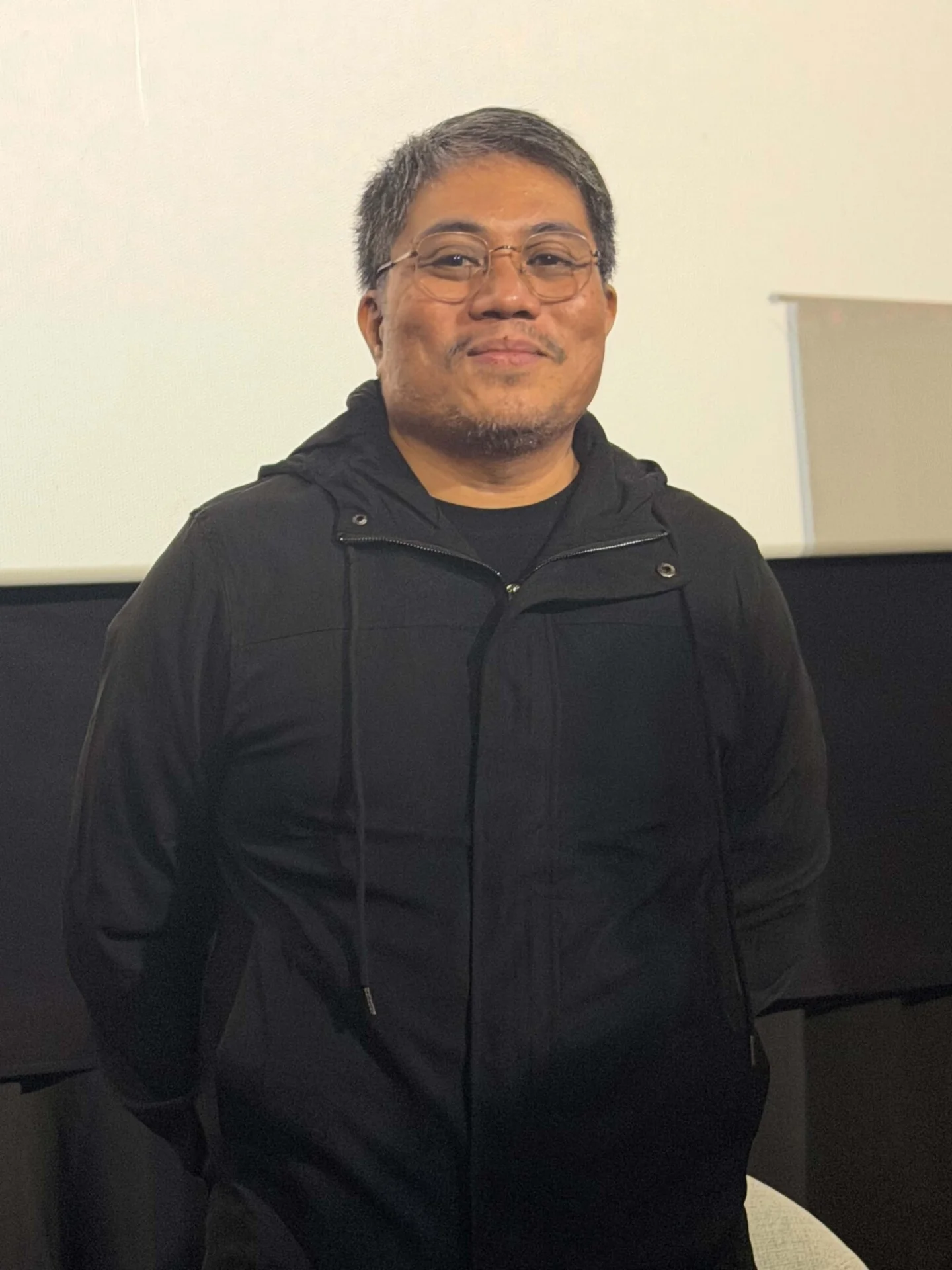
Shugo Praico
With the six-part crime drama now complete, we sat down for a talkback with director Shugo Praico and the series’ writers to discuss the motivations behind the project, the accounts that informed its storytelling, and the responsibility of revisiting a difficult period in Philippine history.
Produced by Rein Entertainment and KC Global Media, the miniseries follows Fr. Tom Carillo, a priest confronting his privileged past, and Yana Macabeo, a police officer wrestling with guilt, as they investigate the mysterious death of Kiko Agustin, Tom’s former protégé. Their search leads them into a conspiracy that forces them to examine their beliefs, decisions, and personal responsibilities.
Inspired by events surrounding the Philippine drug war from 2016 to 2019, the series explores how violence and the pursuit of justice affect not only those directly involved but also the families and communities left to deal with the consequences.
Its journey to the finale was not without controversy. The episodes were temporarily removed from YouTube in early September, shortly before the scheduled release of the concluding installment. The sudden disappearance prompted online speculation about possible political pressure and copyright concerns. Rein Entertainment subsequently assured viewers that the story would continue, eventually bringing all six episodes to completion.
For Praico, the decision to tell this story was shaped in large part by the people who lived through the drug war and continue to seek justice for their loved ones. Their experiences gave the creative team both the motivation and the courage to pursue a subject that remains emotionally and politically charged.
Among the accounts that stayed with the director was that of a mother who encountered repeated obstacles in seeking justice for her son. Rather than give up, she established a barbecue business near the police station where the officers implicated in her son’s death were based. She also provided employment to others whose lives had been affected by the drug war.
It was a story of grief, persistence, and the determination to carry on despite circumstances that might have defeated others. For the creative team, accounts like hers made clear that the people behind the statistics have lives, families, and struggles that must not be forgotten.
These personal experiences also informed the discussions in the writers’ room, where the team worked to translate real-life accounts into a dramatic narrative. The intention was not simply to revisit past events but to preserve the memory of those affected and examine the consequences that continue to influence Filipino society.
The completion of Drug War: A Conspiracy of Silence therefore marks more than the end of a television miniseries. It closes a six-episode investigation into a painful chapter of our national experience while leaving viewers with questions about accountability, justice, and the importance of remembering.
Although the story has reached its conclusion, Praico and the creative team remain open to exploring the subject further should the opportunity arise.
The drug war will likely remain a contentious subject for years to come. But disagreement should not mean that the experiences of those who suffered must be pushed aside. We may not all see the events of that period in the same way, yet we can still recognize the importance of hearing the people whose lives were changed by them.
Now that Drug War: A Conspiracy of Silence has finally completed its run, perhaps its greatest contribution is the reminder that silence does not erase what happened. The stories of the victims deserve to be remembered, their families deserve to be heard, and the questions raised by this chapter of our history deserve continued attention.
The main stars of Drug War: A Conspiracy of Silence are Romnick Sarmenta, Ian Veneracion, Jane Oineza, Harvey Bautista, and John Arcilla. Also joining the cast are Lotlot de Leon, Yayo Aguila, Joem Bascon, Ryan Eigenmann, Art Acuña, and Miggy Jimenez.
The finale (Episode 6) will be available on the Rein Entertainment YouTube channel starting October 8, 2026, Thursday, at 8:00 P.M.